/ Insights
Field-tested guides for Pakistani industry.
Technical deep-dives, buyer's guides, and practical advice from the Pacific Engineering & Automation floor - not generic manufacturer copy.
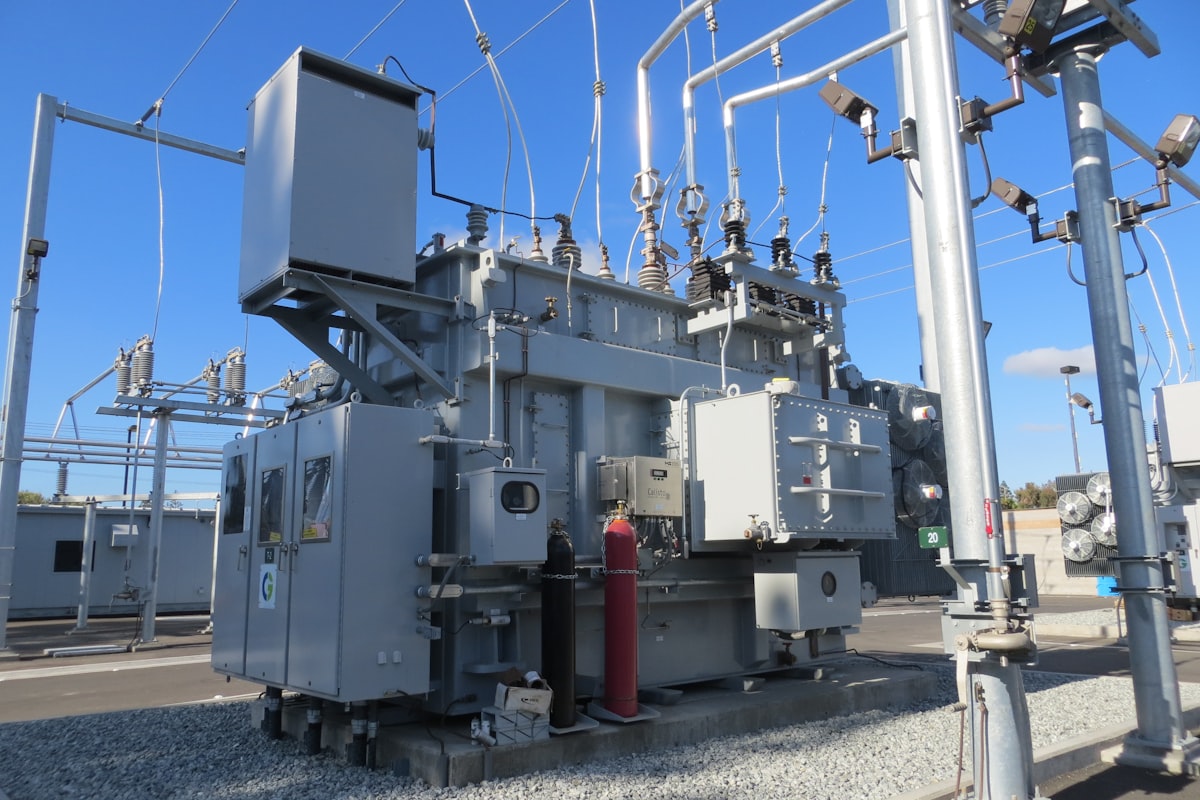

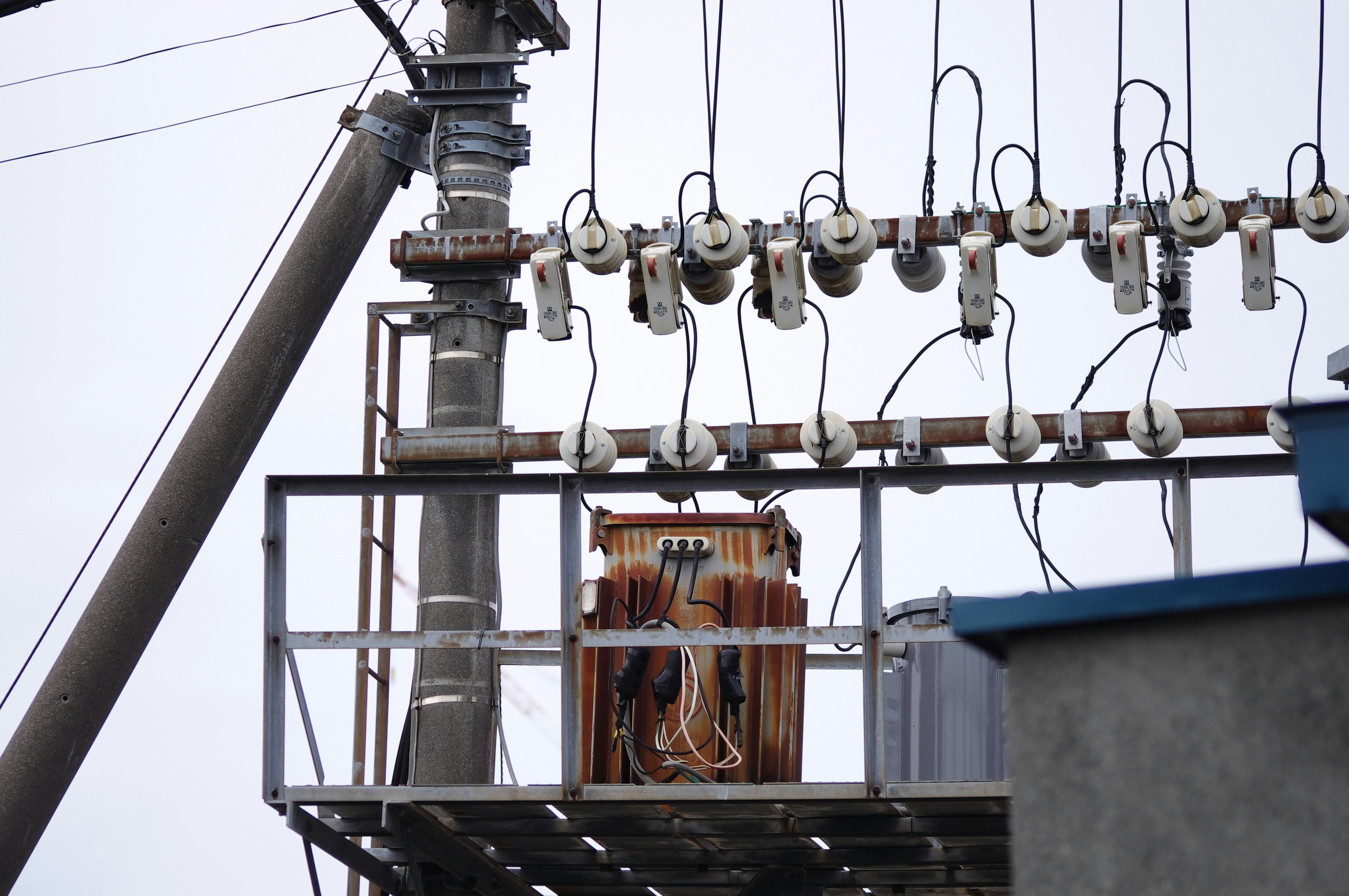
DGA Alarm Limits and Trending: Norms, Baselines, and False Positives
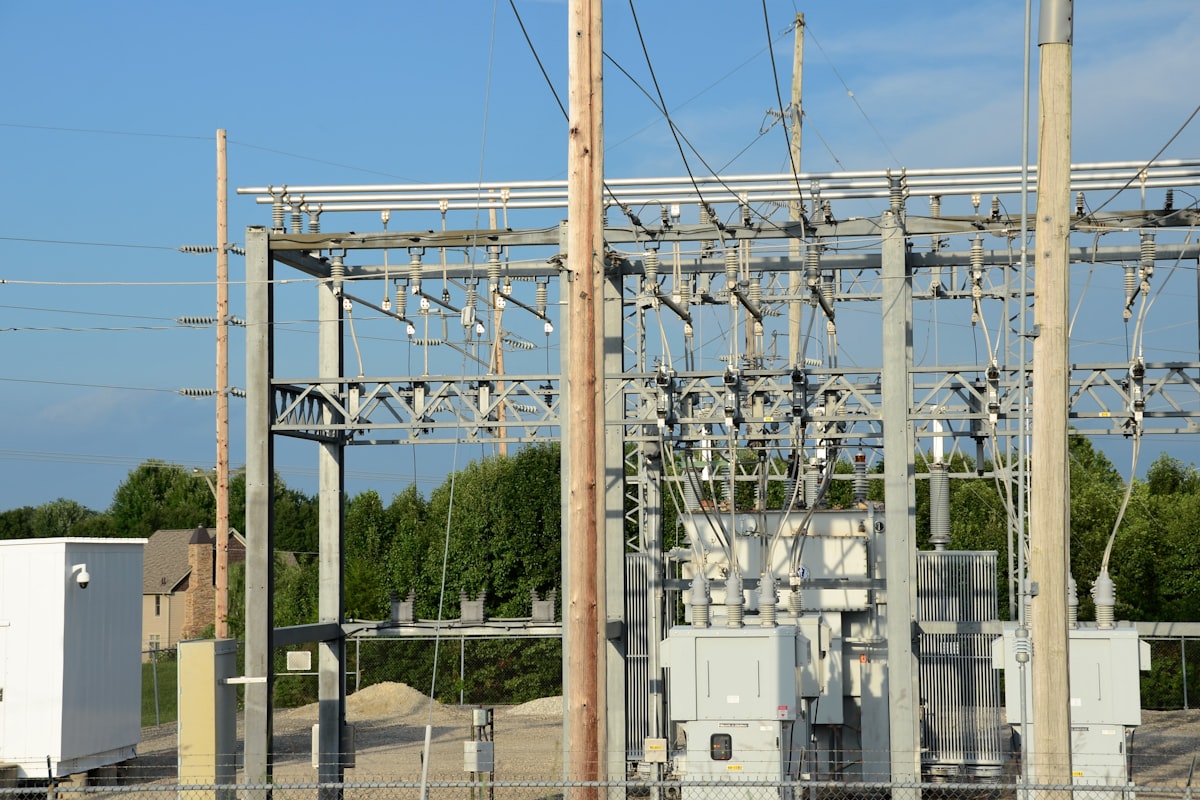
Where DGA alarm limits come from (IEEE C57.104 norms, IEC 60599 typical values), how to trend rates instead of chasing ppm, and the false positives - sampling, air, tap-changer gas - to rule out.
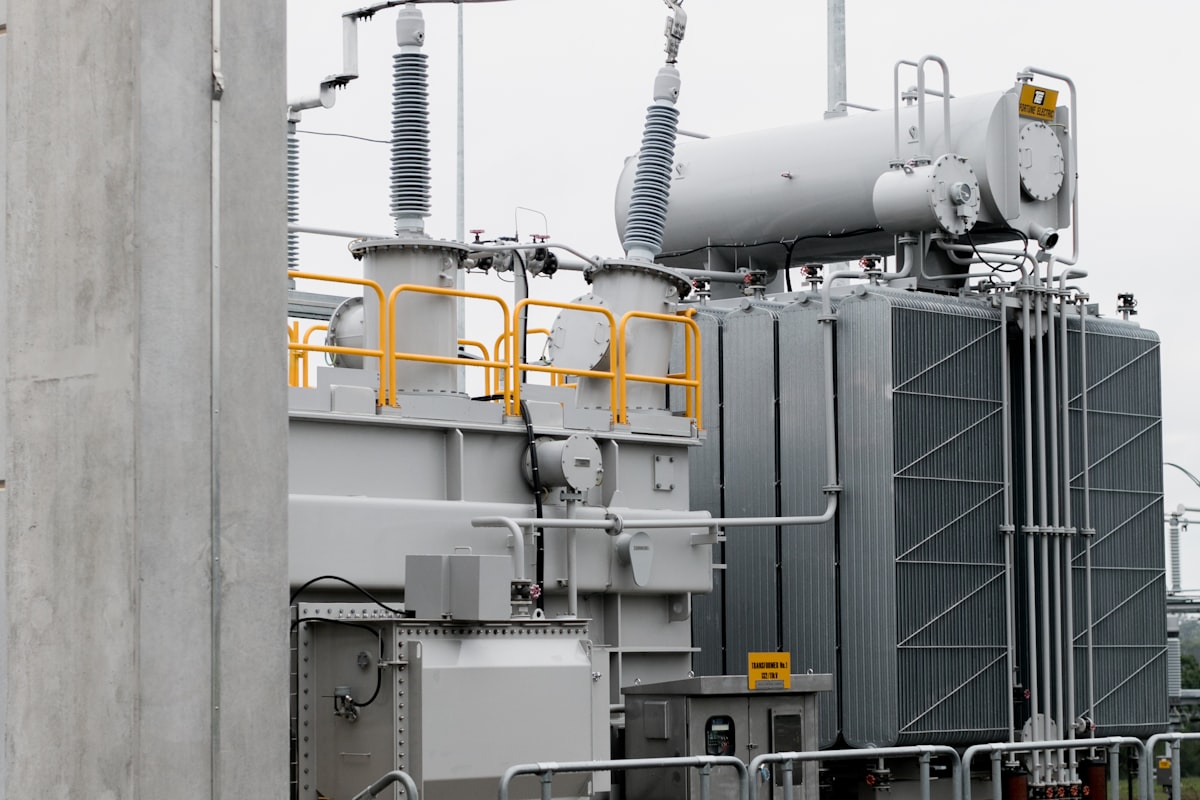
Automatic Voltage Regulation for Transformers: OLTC and the REG-DA
How automatic voltage regulation on a tap-changed transformer works: setpoint, bandwidth, and time delay, tap-changer wear under IEC 60214-1, and parallel operation with the A.Eberle REG-DA.
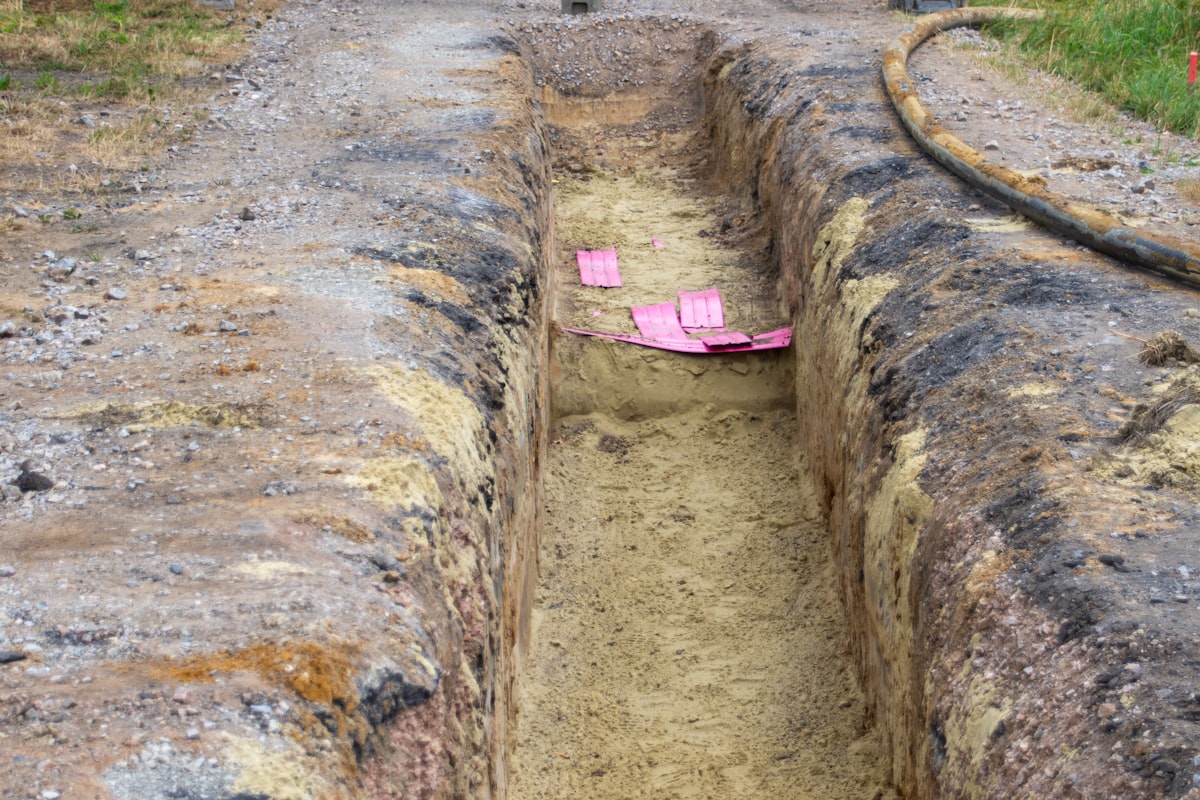
How to Locate an Underground Cable Fault, Step by Step
The field sequence for finding a buried cable fault: prove dead, trace the route, classify the fault per IEEE 1234, pre-locate with TDR or arc reflection, pinpoint, and identify before you cut.
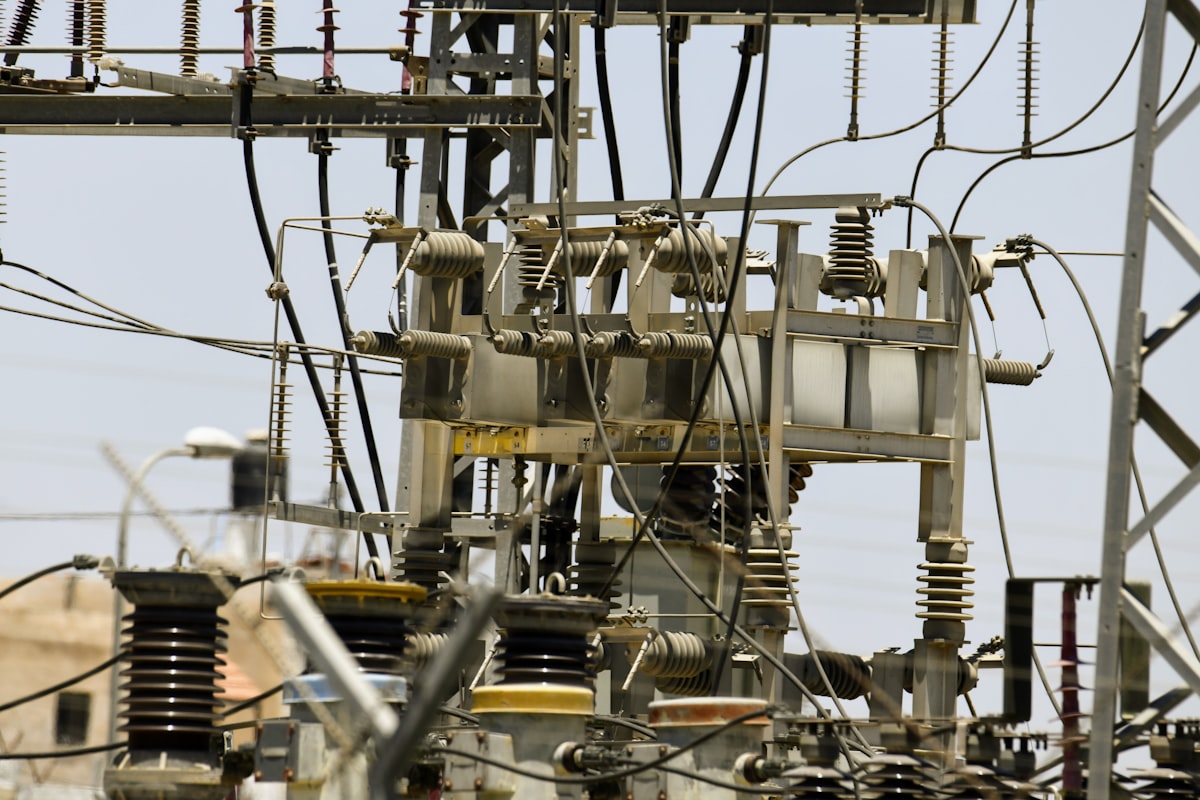
Transformer DGA Explained: Fault Gases, Ratios, and Alarm Limits
What each dissolved gas in transformer oil means: the IEC 60599 fault categories, Duval Triangle and gas ratios, IEEE C57.104 alarm norms, and when online DGA monitoring earns its place.
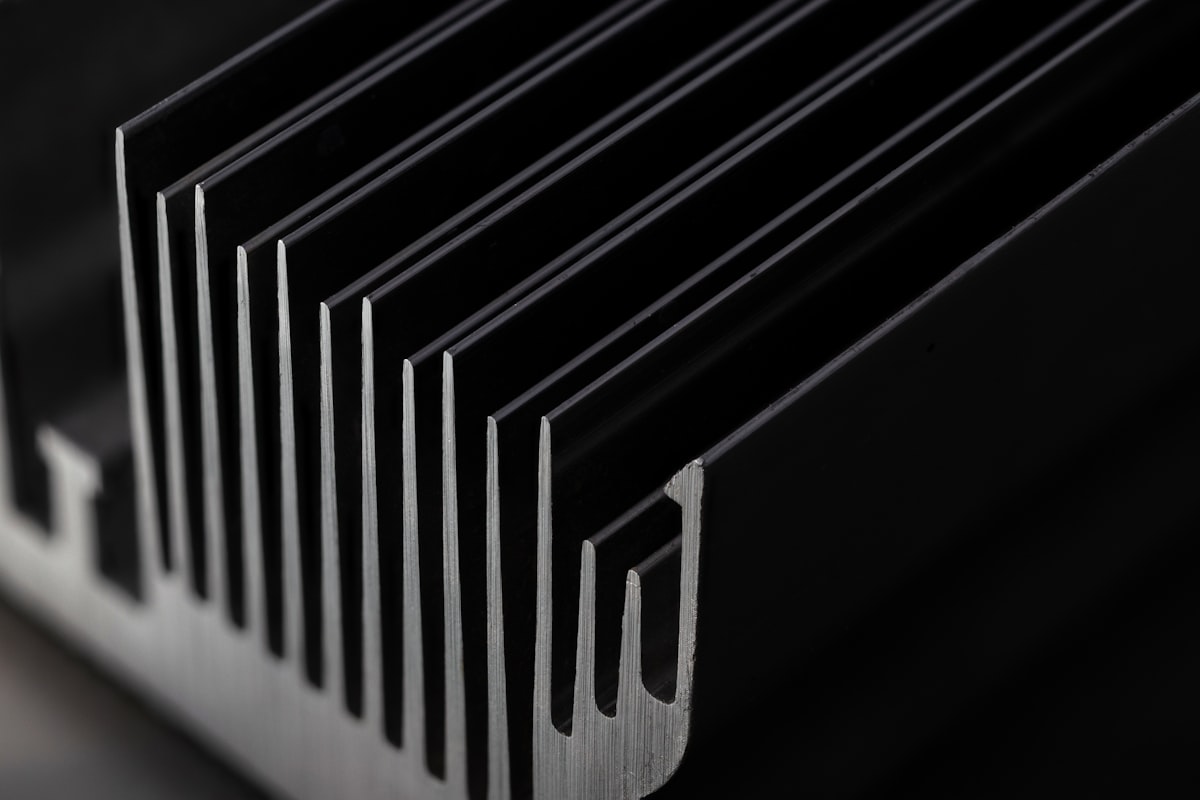
How to Size a Solid-State Relay: Current, Ambient, and Heat Sink
An SSR's amp rating is only valid at 40 °C with a heat sink. How to size a solid-state relay for Pakistani panels: derating above 40 °C, heat-sink selection, zero-cross vs random-fire, and inrush.
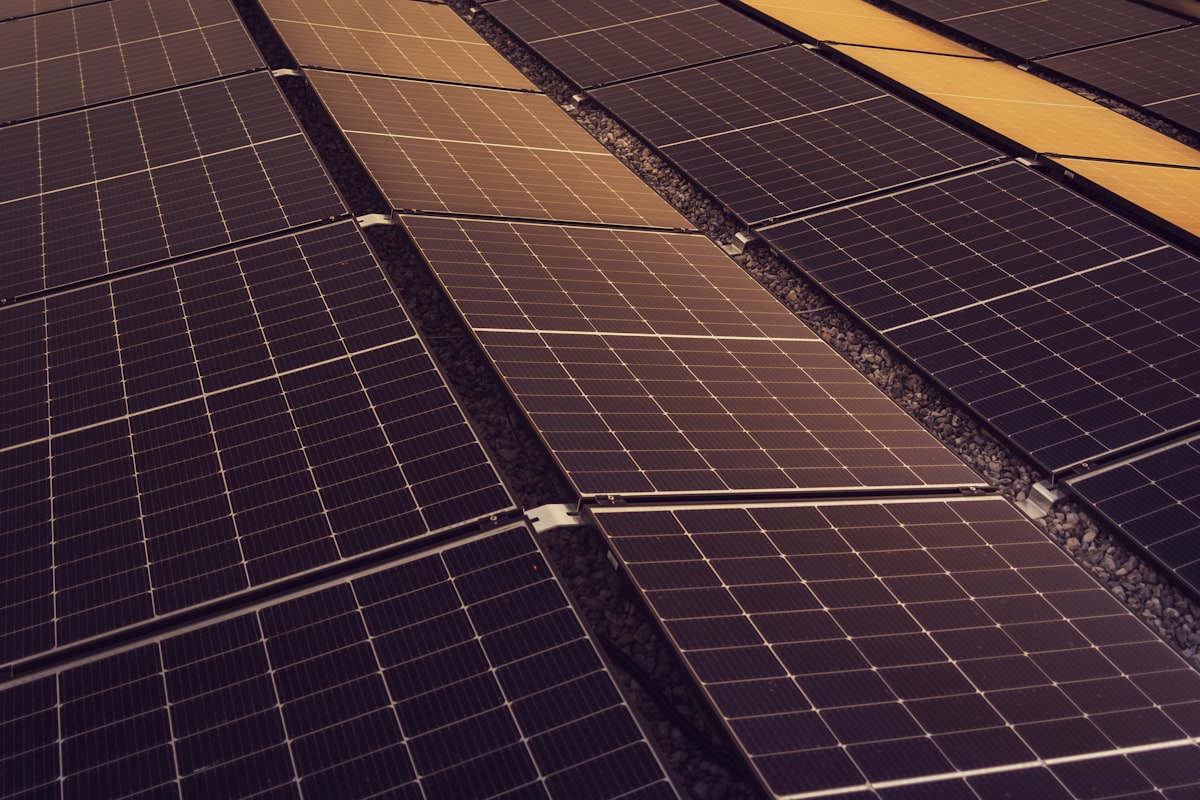
Surge Protection for Solar PV in Pakistan: DC SPDs Explained
Why AC surge protectors don't work on solar DC strings - IEC 61643-31 PV SPDs, where they go on a Pakistani rooftop or solar park, Ucpv vs string voltage, and CITEL's DPVN range for the DC side.

/ Contact Us

Let's Build
Together
Phone
021-35661728
021-35660521
enquiries@ea.pacificpk.com
Address
147 Uni Shopping Centre
Abdullah Haroon Road, Karachi
Business Hours
Mon–Fri: 9:00 AM – 6:00 PM
Sat: 9:00 AM – 2:00 PM