Grounding and Lightning Protection for Pakistani Industrial Sites
How to correctly specify earthing systems and lightning protection for oil refineries, telecom towers, and substations in Pakistan's soil and climate conditions.
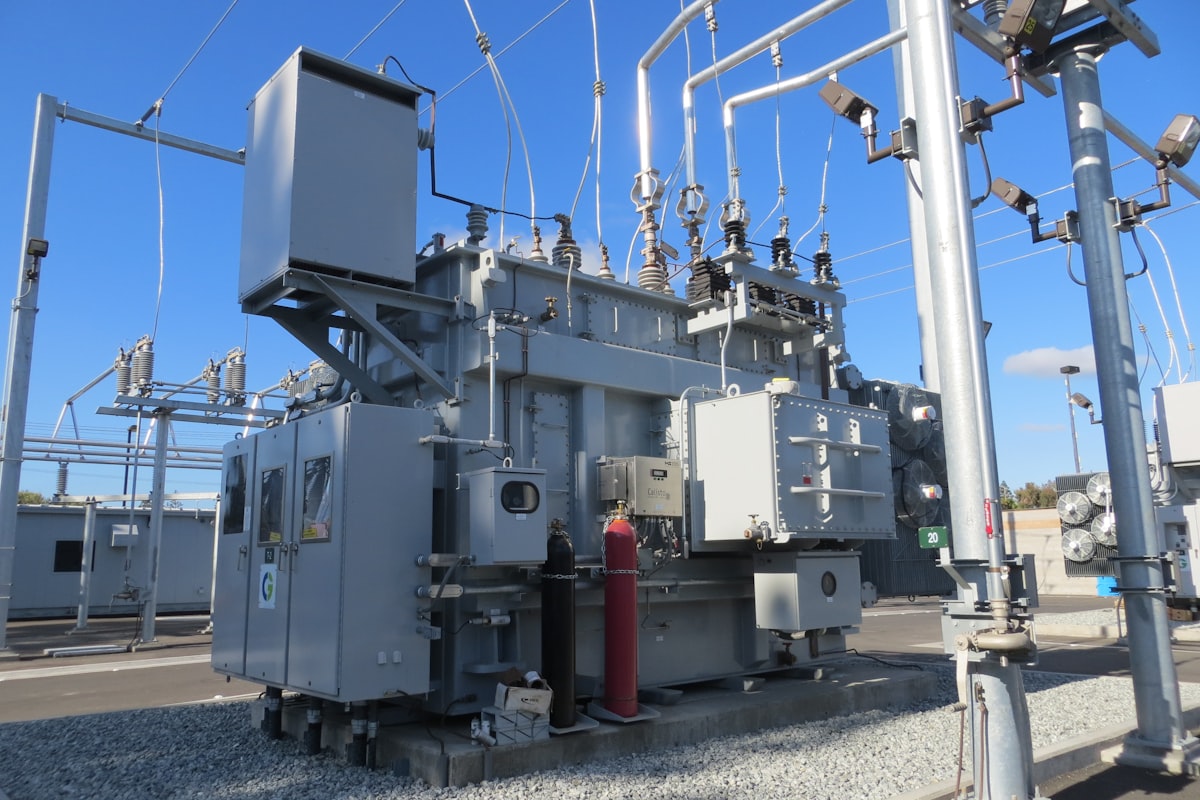
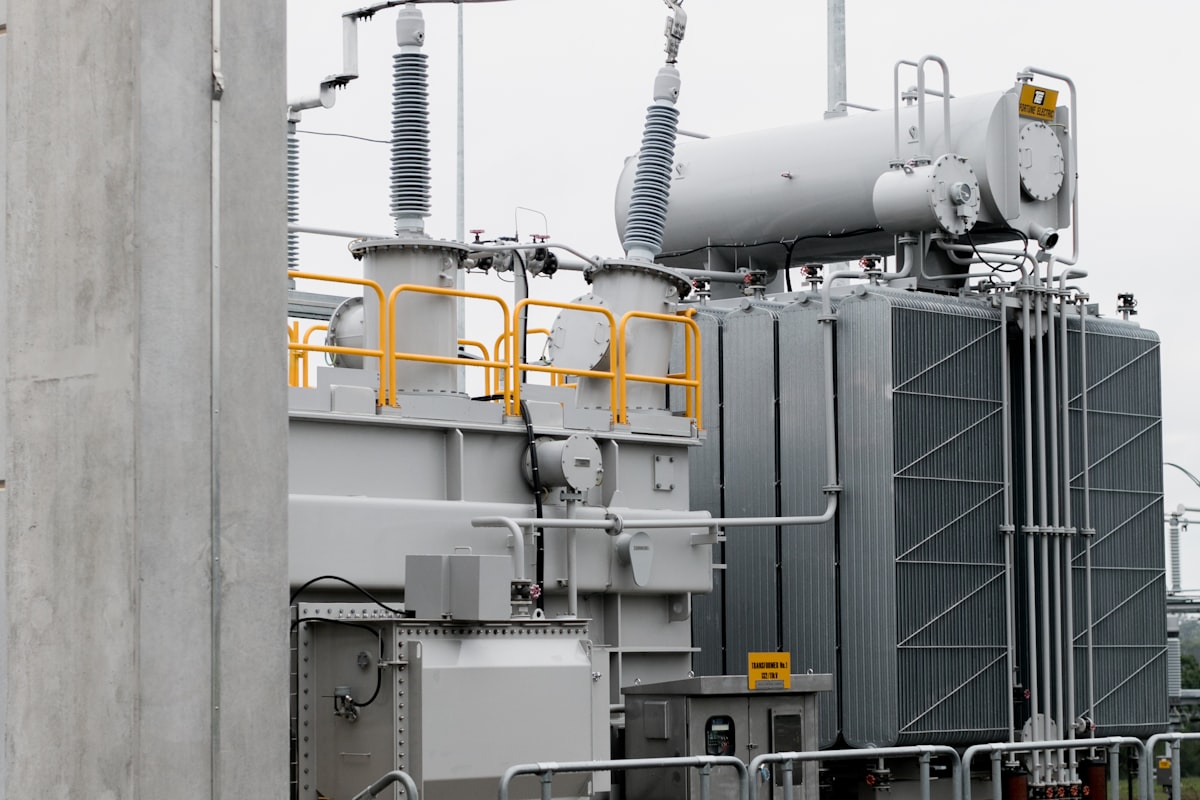
A substation that loses a transformer to a direct lightning strike in Sindh costs more than its replacement value - it costs weeks of outage for the communities and industries it serves. Yet grounding and lightning protection remain among the most under-specified systems in Pakistani industrial projects.
This guide covers what correct specification looks like for the soil conditions, climate, and risk profiles common to Pakistani sites.
Why Pakistani conditions demand careful specification
Soil resistivity
Pakistan's soil resistivity varies dramatically by region and season. The clay-heavy soils of interior Sindh can drop below 10 Ω·m in monsoon and rise above 500 Ω·m in summer. Rocky Balochistan sites routinely exceed 1,000 Ω·m.
IEC 62305 (the international lightning protection standard) and NEPRA's grid code both require measured soil resistivity as the starting point for any grounding design. Specifying a "standard" earthing system without site-specific resistivity data is not compliant - and frequently results in systems that don't achieve the target resistance.
Lightning ground flash density (GFD)
Pakistan's Gwadur and Karachi coastal zones record GFDs of 2–4 flashes/km²/year. Inland Punjab and Sindh reach 6–10 flashes/km²/year. Northern areas around Peshawar and Abbottabad can see 15+ flashes/km²/year.
These numbers directly determine the risk assessment (Ra) under IEC 62305-2, which drives the required Protection Level (LPL I through IV). IEC 62305-2 sets the tolerable risk for loss of human life (R1) at 10⁻⁵ per year - a site whose calculated risk exceeds this threshold must be protected to whichever LPL brings the residual risk below it [1]. An LPL I system requires strike termination components capable of handling a 200 kA peak current - most generic "lightning arrestors" in the local market are not rated for this.
Kumwell earthing systems in Pakistani projects
Kumwell's earthing product range is designed for high-resistivity soil conditions - which makes it well-suited to Pakistan's more challenging sites.
Exothermic welding (Cadweld equivalent)
Exothermic welds between copper conductors and ground rods produce a metallurgical bond with lower resistance than mechanical connections and no corrosion interface. For buried connections that won't be accessible for inspection, this is the only method that maintains the system's resistance specification over a 25-year asset life.
Kumwell's exothermic welding moulds cover standard configurations (rod-to-conductor, conductor-to-conductor, T-junction) and can be specified for 95 mm², 150 mm², and 240 mm² bare copper tape - the sizes most commonly used in Pakistani substation earthing mats.
Copper-bonded ground rods
For high-resistivity sites, longer rod depths help - but the copper coating thickness matters. Kumwell specifies 0.25 mm minimum copper thickness on their bonded rods, meeting IEEE Std 80 requirements. Generic locally-sourced rods often measure 0.05–0.10 mm, which corrodes through within 5–8 years in alkaline Pakistani soils, leaving a bare steel rod and a failed earthing system.
Chemical earthing (maintenance-free electrodes)
For rocky sites where driven rods cannot achieve target resistance, Kumwell's chemical earthing electrodes use hygroscopic mineral backfill that maintains soil moisture around the electrode, reducing contact resistance without ongoing maintenance. These are IEC 62561-7 compliant - the relevant standard for enhanced earth electrodes.
Lightning protection component specification
A compliant lightning protection system under IEC 62305-3 requires:
Air termination network: correctly positioned finials or horizontal conductors to intercept direct strikes. Positioning is calculated using the rolling-sphere method (sphere radius depends on LPL: 20 m for LPL I, 45 m for LPL IV).
Down conductors: minimum 50 mm² bare copper or 50 mm² hot-dip galvanised steel. Routing must avoid re-entrant loops and maintain separation from internal wiring.
Earth termination system: the earthing mat must achieve ≤10 Ω measured resistance. For LPL I, ≤5 Ω is recommended.
Surge protective devices (SPDs): coordinated protection at the building entrance (Type 1), distribution boards (Type 2), and sensitive equipment (Type 3). Kumwell coordinates with CITEL SPDs for complete system supply - see the CITEL surge protection tiers guide for Type 1 / Type 2 / Type 3 selection per IEC 62305-4. Both available from Pacific Engineering & Automation.
Common specification errors on Pakistani sites
Specifying by product name, not performance. "Install lightning conductor" is not a specification. "Install LPL II air termination system per IEC 62305-3 with ≤10 Ω earth resistance verified post-installation" is a specification.
Ignoring seasonal resistance variation. Test at the driest site condition (typically March–April in Sindh). A system that achieves 5 Ω in February may be at 25 Ω in October.
Skipping the bond between earthing systems. Power earth, instrumentation earth, lightning protection earth, and structural earth must be bonded at a single reference point. Separate isolated earths create ground potential differences that damage equipment.
Using galvanised iron conductors in marine environments. Coastal sites (Karachi, Gwadar, Port Qasim) corrode galvanised conductors aggressively. Use tinned copper or stainless steel for above-ground conductors in these locations.
Next steps
Pacific Engineering & Automation supplies the complete Kumwell grounding and lightning protection range with technical support from our Karachi office.
For a site-specific grounding design review or product quotation, contact our engineering team or browse our full product range to request the technical catalogue.
Field-derived case studies will be added to this post as Pacific Engineering & Automation accumulates engagement records. The current version is grounded in published specifications, regulatory documentation, and standards body references.
Sources
- IEC 62305-2:2010 - Protection against lightning, Part 2: Risk management (2nd ed.)
Pacific Engineering & Automation
Need industrial equipment in Pakistan?
Authorized dealer and reseller for 16 international manufacturers. Karachi-based, serving Pakistan since 1995.