How to Specify Camlin Transformer Monitoring for NTDC Grid Utilities
A technical guide on specifying Camlin TOTUS dissolved gas analysis (DGA) and partial discharge monitoring systems for high-voltage transformers in Pakistan.
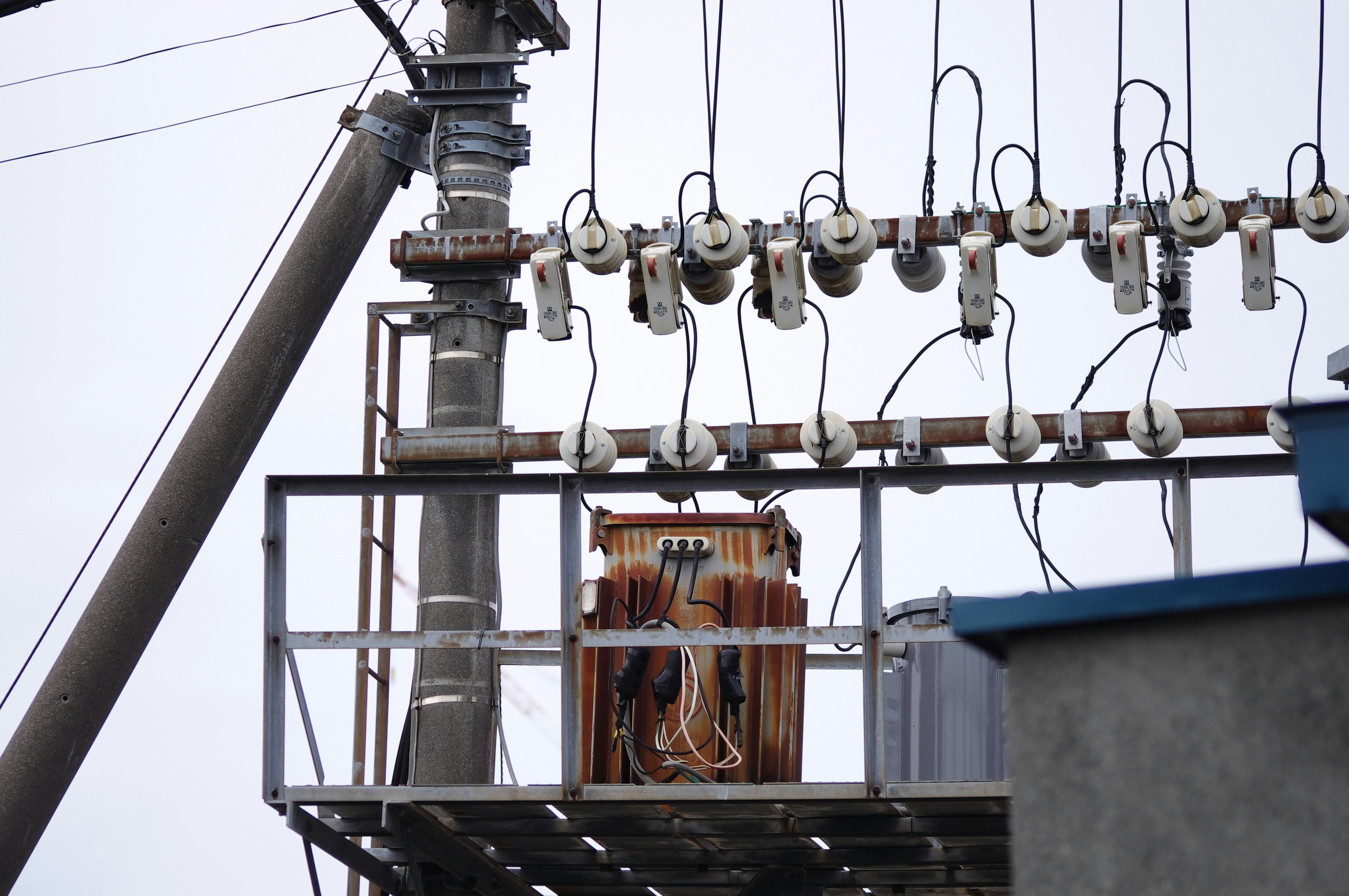
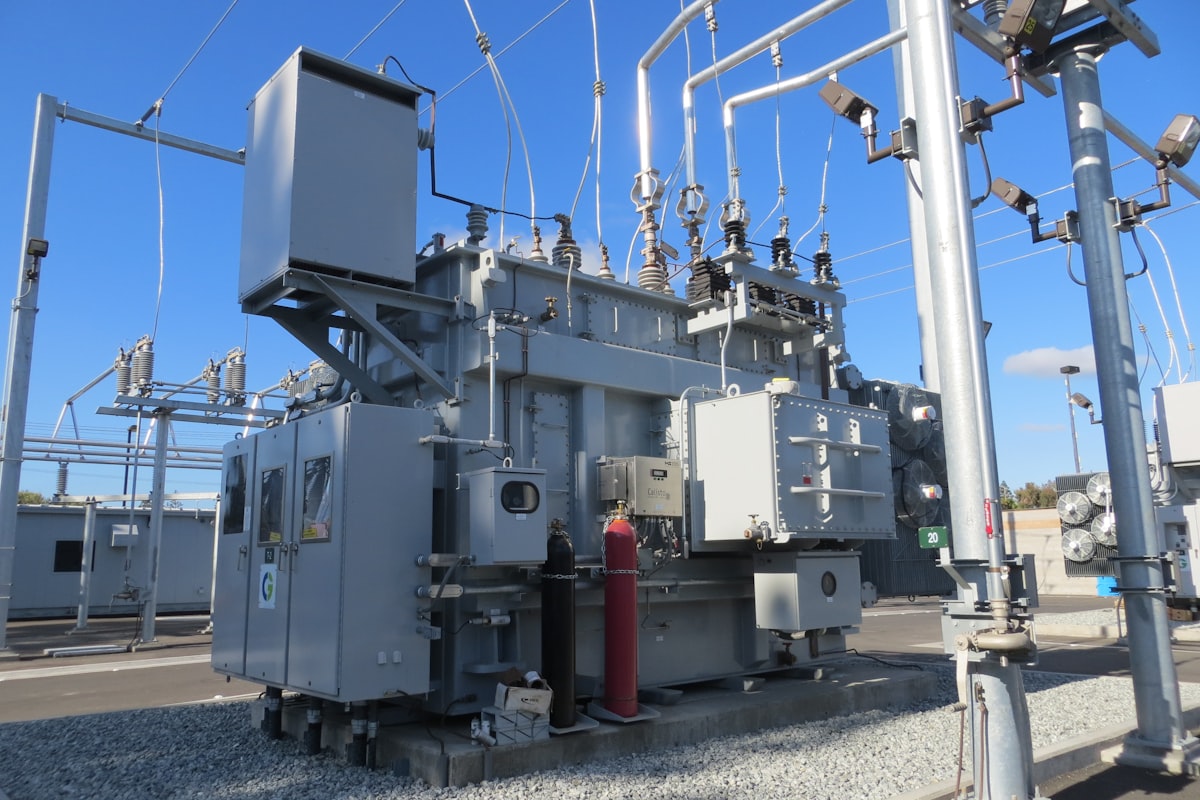
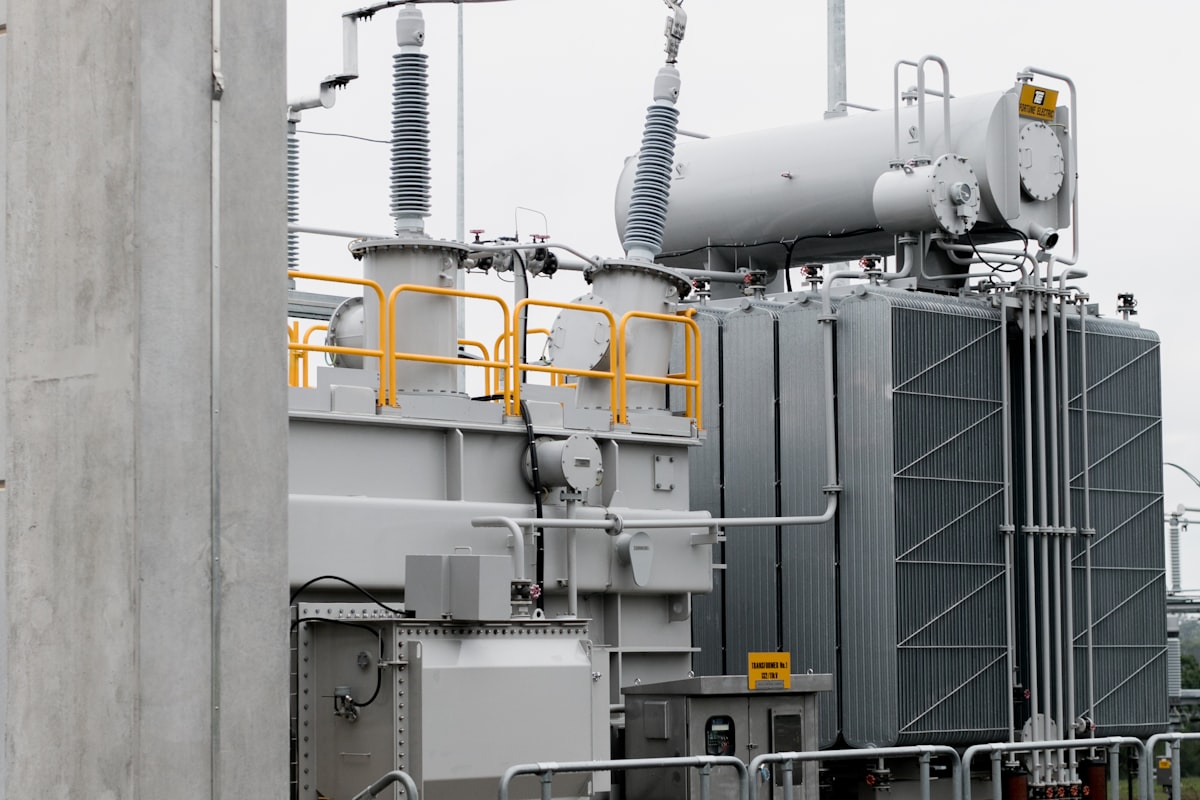
For NTDC and other major grid operators in Pakistan, a 220 kV or 500 kV transformer is a highly critical asset. A catastrophic failure doesn't just mean replacing millions of dollars of equipment - it causes widespread blackouts and severe economic disruption.
Continuous online monitoring is no longer optional for these critical nodes. This guide explains how to properly specify Camlin transformer monitoring systems, particularly Dissolved Gas Analysis (DGA) and Partial Discharge (PD), for Pakistani grid applications.
Why traditional manual sampling falls short
In many Pakistani substations, transformer health is still assessed through periodic manual oil sampling. While useful, this approach has severe limitations:
- Delayed detection: A rapidly developing fault can cause a catastrophic failure between annual or bi-annual sampling intervals.
- Sample contamination: Manual sampling introduces the risk of atmospheric exposure, affecting moisture and gas-in-oil readings.
- Lack of trend visibility: Periodic data points fail to capture dynamic fault behavior under varying load and ambient temperature conditions.
Specifying Camlin TOTUS DGA monitors
The Camlin TOTUS system provides continuous, online DGA monitoring. When specifying this for NTDC applications, consider the following parameters:
Multi-gas detection capabilities
An effective specification must require the detection of all key fault gases outlined in IEC 60599 and IEEE C57.104. The TOTUS system uses Photoacoustic Spectroscopy (PAS) to measure Hydrogen (H₂), Carbon Monoxide (CO), Carbon Dioxide (CO₂), Methane (CH₄), Acetylene (C₂H₂), Ethylene (C₂H₄), and Ethane (C₂H₆), alongside moisture in oil.
Specify PAS technology to avoid the consumable carrier gases and frequent calibration required by gas chromatography systems.
Environmental resilience
Substations in Sindh and Punjab face extreme summer temperatures exceeding 45°C. Specify an operating temperature range of at least -20°C to +55°C, with an IP66 rated enclosure to protect against dust storms and monsoon rains.
Integrating Partial Discharge (PD) monitoring
DGA is excellent for detecting thermal and low-energy electrical faults, but Partial Discharge (PD) monitoring is critical for identifying high-energy insulation degradation before it leads to dielectric failure.
When specifying the Camlin Calisto PD monitor or integrating PD into the TOTUS system:
- UHF and Acoustic sensing: Specify a combination of Ultra-High Frequency (UHF) sensors (via oil drain valves or custom hatches) and acoustic sensors mounted on the tank wall. This dual approach allows for both the detection and spatial localization of the discharge source.
- Noise rejection: Substation environments are electrically noisy. Require advanced noise gating and pattern recognition algorithms to differentiate between internal PD and external corona or switching transients.
Data integration and grid compliance
A monitoring system is only as good as the actionable data it provides to the grid control center.
IEC 61850 compliance: Ensure the specification mandates IEC 61850 communication protocols for seamless integration into the substation automation system (SAS) and the national SCADA network. Camlin systems support this natively, allowing alarms and trend data to be transmitted securely.
Expert analysis software: Specify comprehensive diagnostic software that incorporates Duval Triangles and Rogers Ratios to automatically interpret gas data and provide clear, actionable maintenance recommendations.
Common commissioning pitfalls
A correctly specified TOTUS still under-delivers if commissioning shortcuts are taken. Four recurring pitfalls show up across utility deployments:
- Alarm thresholds set to IEC 60599 absolute limits but not to the asset's own baseline. IEEE C57.104-2019 norms are population-derived 90th-percentile values, not unit-specific limits [5]. A transformer that has run for 25 years with an elevated H₂ baseline will trip the population threshold under normal operating signature. The defensible alarm is on rate-of-change against the unit's commissioning baseline, not against the population norm.
- DGA sampling interval set without accounting for fault dynamics. A continuous monitor samples on the order of hours; underlying fault dynamics (PD → arcing → catastrophic failure) can develop in days to weeks. IEC 60599:2022 [4] explicitly notes that sampling interval must reflect the suspected fault type - a slowly evolving cellulose decomposition signature has different sampling requirements than a developing arcing fault.
- IEC 61850 GOOSE timing not verified under substation EMI. GOOSE messages carrying TOTUS alarms are designed to propagate within the standard's 4 ms application-class delay, but substation environments with high RF noise from breaker operations can degrade actual propagation. Verify the unit's conformance certificate version, and re-test GOOSE round-trip after commissioning under live-bus conditions - not just on a factory bench [1].
- Calibration-certificate expiry treated as paperwork. PAS-based monitors drift slowly but predictably. A unit whose factory calibration has lapsed cannot be considered defensible in a billing dispute or insurance claim, regardless of how reasonable its readings look. Plan recalibration cycles into the asset-management framework before deployment, not after the first regulatory query [2].
These are commissioning issues, not equipment issues. CIGRE Technical Brochure 296 documents complementary interpretation guidance that is valuable during commissioning specifically - the practical limitations of single-point DGA interpretation versus continuous trending [6].
Sourcing and support in Pakistan
Pacific Engineering & Automation is an authorized reseller for Camlin in Pakistan. We provide complete support from system specification and supply to installation supervision and commissioning for grid utilities.
For technical specifications, consultation, or to request a quotation for your transformer monitoring project, request a catalogue or contact our engineering team directly.
Field-derived case studies will be added to this post as Pacific Engineering & Automation accumulates engagement records. The current version is grounded in published specifications, regulatory documentation, and standards body references.
Sources
- Camlin Group - Transformer Monitoring product page
- Camlin TOTUS G5 - DGA monitor (5-gas)
- Camlin TOTUS G9 - transformer monitor (9-gas + PD/BM/TFC)
- IEC 60599:2022 - Mineral oil-filled electrical equipment in service, guidance on the interpretation of dissolved and free gas analysis (4th ed.)
- IEEE C57.104-2019 - IEEE Guide for the Interpretation of Gases Generated in Mineral Oil-Immersed Transformers
- CIGRE Technical Brochure 296 - Recent developments on the interpretation of dissolved gas analysis in transformers
Pacific Engineering & Automation
Need industrial equipment in Pakistan?
Authorized dealer and reseller for 16 international manufacturers. Karachi-based, serving Pakistan since 1995.