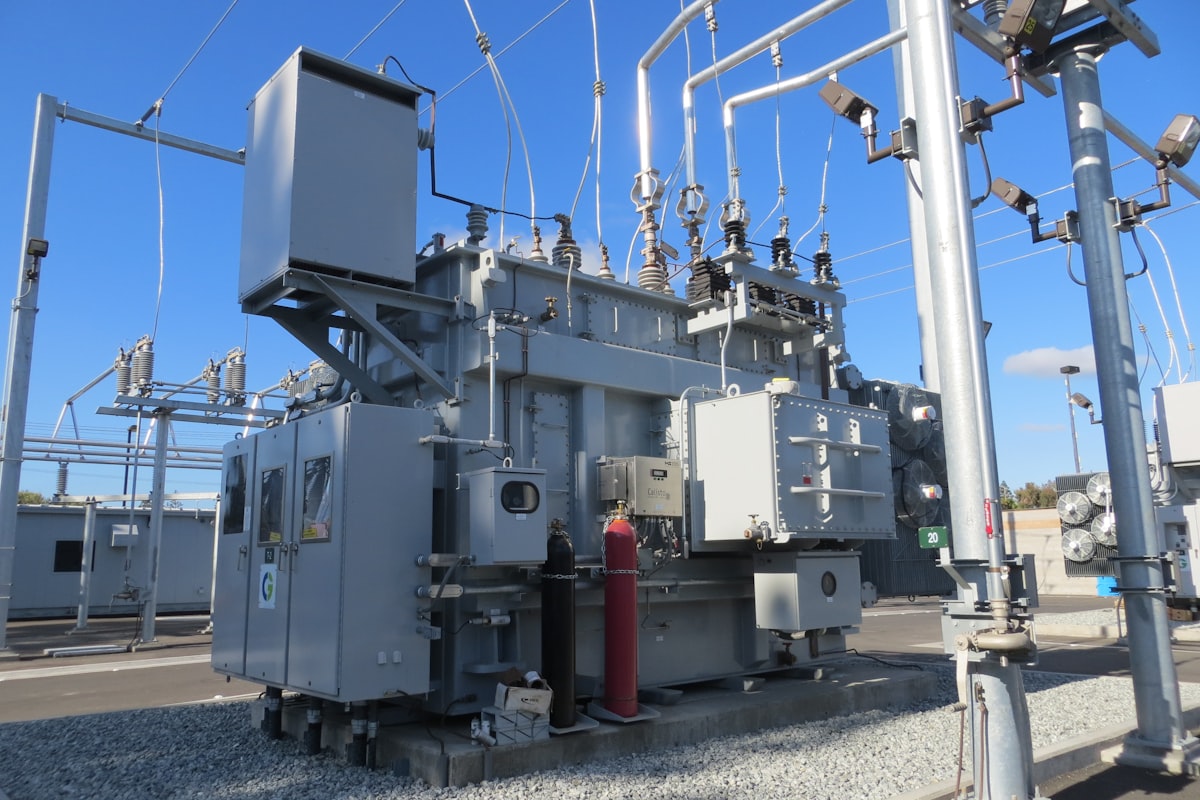
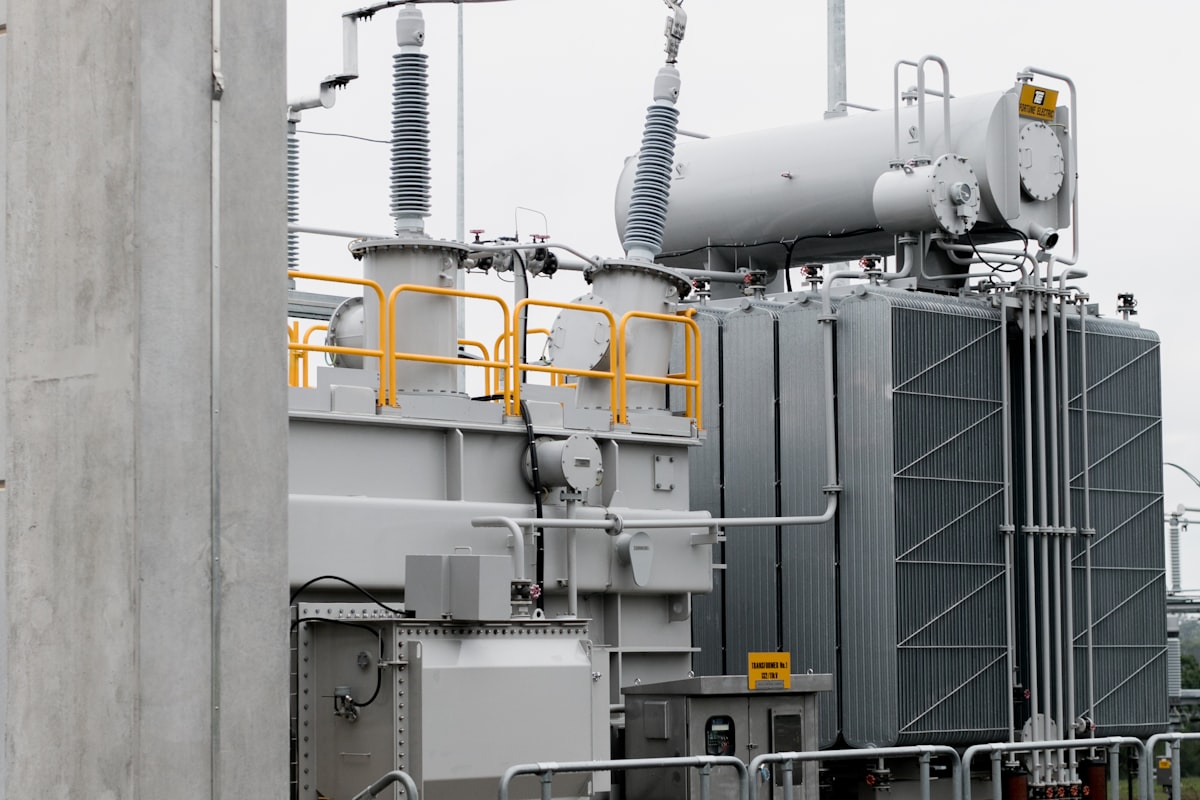
Utility Tunnel and Metro Communication with YTVOX SIP Systems
How to build tunnel and metro communication on one YTVOX SIP platform - the YT-ICS server, weatherproof tunnel telephones, platform help points, and PA/alarm linkage for Pakistani infrastructure.
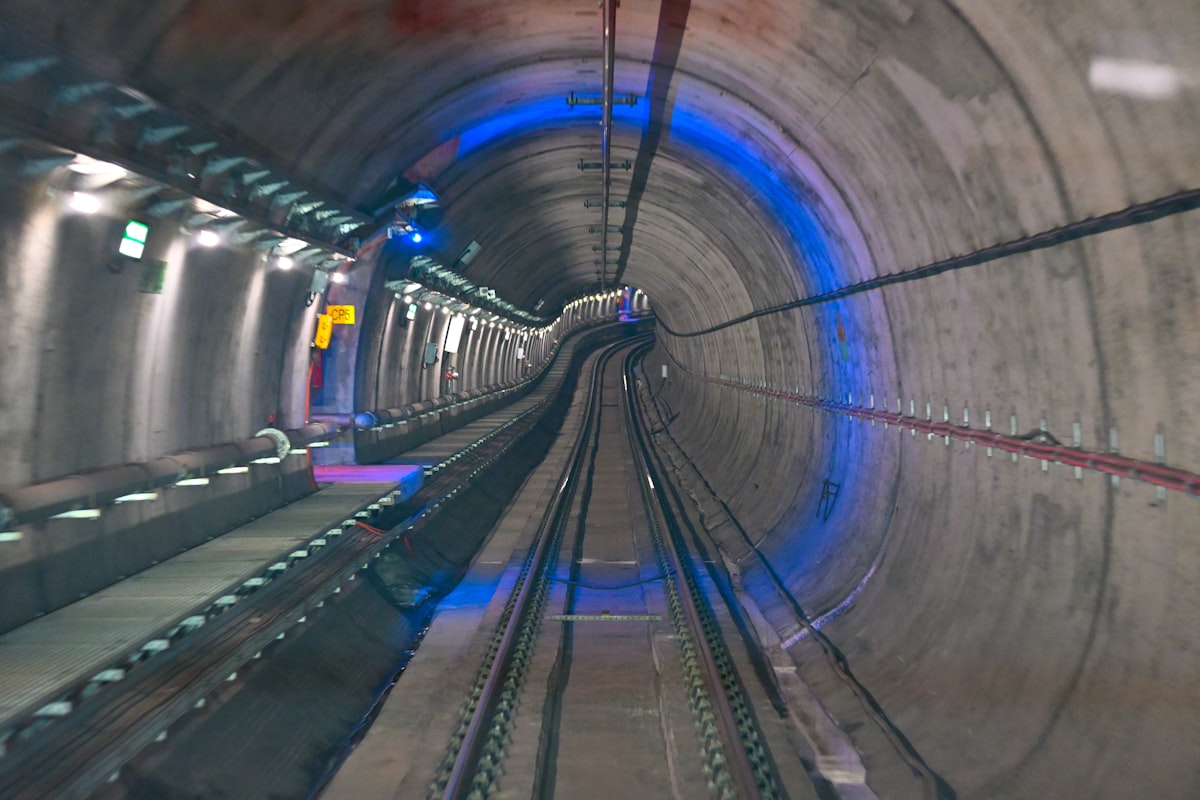
A tunnel is the worst place to discover that communication systems were bought as separate islands. A cable tunnel running under a city, a metro line, a motorway tube - each needs telephones along the route, help points at platforms and refuge bays, public-address for announcements, and alarm linkage back to a control room. Bought separately, that is 4 vendors, 4 head-ends, and no single point where an operator sees the whole tunnel.
YTVOX built its name in exactly this niche - the company became a leading brand in utility-tunnel communications before expanding across public safety and transportation [1]. Its approach puts every terminal on one SIP platform. This guide covers how the pieces fit for a Pakistani tunnel, metro, or highway project.
One Platform Instead of 4: The YT-ICS Server
The YT-ICS converged server is the head-end: a SIP-based platform registering up to 1,500 terminals that carries two-way intercom, group calling, zone broadcast, scheduled and triggered announcements, alarm reporting, and an electronic map on which the operator sees and operates every device [1]. SIP - the IETF's RFC 3261 session protocol [2] - is what makes the fleet one system: tunnel telephones, help points, PA zones, and even IP cameras and voice gateways register against the same server, and the platform docks with Hikvision and Dahua video systems for intercom-linked CCTV [1]. Alarm plans link a help-point call to broadcast, SMS, and video of the location - the control-room workflow a fragmented system cannot offer.
Along the Route: IP66-IP68 Tunnel Telephones
Inside the tube, the environment does the specifying. YTVOX's YT200 and YT300 weatherproof telephones carry IP66-IP68 ingress protection per IEC 60529 [3] in die-cast aluminium bodies, with analogue, SIP/VoIP, and 2G/4G variants [1] - placed at refuge bays, cross-passages, and plant rooms so a maintenance crew is never more than a short walk from a line to the control room. Where noise is the problem rather than water, YTTH acoustic hoods and booths give 15-25 dB of noise reduction around the handset [1]. For gas-classified sections - a tunnel section near a refinery, a gas-pipeline gallery - the YTEX explosion-proof range applies, covered in the explosion-proof telephones guide.
At the Platform: YT500 Help Points
The public-facing layer is the YT500 emergency help point: IP55-IP65 stations in cold-rolled or stainless steel, hands-free or handset, built for metro and railway platforms, elevators, parking structures, and highway laybys [1]. A help point is an intercom terminal like any other on the YT-ICS platform, so a passenger's press-to-call lands in the same operator queue as a staff telephone, with the same recording, priority, and video linkage. Vandal resistance matters at the platform edge - the related YT100 series carries IK10 impact protection - and solar YTTP pillars cover remote highway sections where mains power is not available [1].
4 Decisions That Shape the Bill of Materials
In order of how much they move the package:
- Terminal map - telephones at refuge bays and plant rooms, help points at platforms and laybys, PA zones per tunnel section
- Environment per location - IP66-IP68 [3] in the wet tube, IK10 at public platforms, Ex marking in classified sections, acoustic hoods in plant noise
- Signalling and cabling - SIP over the tunnel's fibre/Ethernet backbone [2], analogue over copper where legacy plant remains, 2G/4G where cable cannot reach
- Head-end sizing - registered-terminal count, concurrent calls, recording channels, and the video platform the server must dock with [1]
Operators of urban infrastructure - metro authorities, motorway concessionaires, and utilities such as K-Electric with cable tunnels under the city - buy this as one system precisely because the head-end, not the handset, is where the integration cost lives.
Common Specification Mistakes
The 5 recurring errors in tunnel communication procurement:
- Buying intercom, PA, and help points as separate systems. Four head-ends mean four failure points and no unified operator view; a converged SIP server exists to remove that seam [1].
- One IP rating for the whole project. The platform edge, the wet tube, and the plant room have different duties; specify IP per location against IEC 60529 [3], not one blanket figure.
- Ignoring classified sections. A standard telephone in a gas-classified gallery is unlawful; those sections take the Ex-marked range with the certificate to match.
- Assuming SIP interoperability without capacity. RFC 3261 [2] gets devices talking; the server's registered and concurrent-call capacity decides whether the system works on the worst day - size it to the terminal map.
- Forgetting the power question on remote sections. Highway laybys and remote portals without mains power need the solar pillar variant, specified up front, not discovered at installation.
What to Specify When Enquiring: 6 Items
A tunnel-communication enquiry that quotes cleanly against IEC 60529 states:
- Project type and length - utility tunnel, metro line, or highway tube, with section count
- Terminal map - telephones, help points, and PA zones per section and platform
- Environment per zone - IP ratings [3], vandal exposure, any hazardous-area classification
- Network - the fibre/Ethernet backbone, and any copper or cellular fallback
- Control room - operator positions, recording needs, and the video platform to dock
- Power - mains availability per location, and where solar pillars must cover
Sourcing and Support in Pakistan
Pacific Engineering & Automation is the authorized YTVOX reseller in Pakistan. We supply the full range - the YT-ICS SIP server, YT200/YT300 weatherproof telephones, YT500 help points, YT100 vandal-resistant telephones, YTTP solar pillars, YTTH acoustic booths, and the YTEX explosion-proof line - and help turn a tunnel drawing into a terminal map and head-end specification before tender.
To scope communication for a tunnel, metro, or highway project, request a catalogue or quotation or contact our engineering team.
Field-derived case studies will be added to this post as Pacific Engineering & Automation accumulates engagement records. The current version is grounded in published specifications, regulatory documentation, and standards body references.
Sources
- YTVOX Technology Ltd - official product portal
- IETF RFC 3261 - SIP: Session Initiation Protocol
- IEC 60529 - Degrees of protection provided by enclosures (IP Code)
Pacific Engineering & Automation
Need industrial equipment in Pakistan?
Authorized dealer and reseller for 16 international manufacturers. Karachi-based, serving Pakistan since 1995.