Flus Thermal Imaging for Predictive Maintenance in Pakistan
How Pakistani factories use Flus thermal cameras and test instruments to catch electrical hotspots, motor faults, and bearing failures before they cause unplanned downtime.
Unplanned downtime is the single largest preventable cost in Pakistani manufacturing. A tripped MCC feeder during a textile shift, a failed bearing on a cement plant ID fan, an overloaded transformer at peak load - each one converts a minor maintenance issue into a multi-day production loss.
Predictive maintenance with infrared thermography flips that equation. A single thermal scan can surface the failing components weeks before they actually fail, while the plant is still running.
Shenzhen Flus Technology Co., Ltd. is a Chinese manufacturer of professional test and measurement instruments, with a portfolio spanning thermal imaging, infrared thermometry, electrical measurement, and environmental testing. This guide covers how Pakistani maintenance teams use Flus instruments to build a working predictive maintenance routine - and how Pacific Engineering & Automation supports the installed base as the authorized Shenzhen Flus Technology reseller in Pakistan.
Why thermal imaging pays back fast in Pakistan
Pakistani industrial facilities operate under conditions that accelerate electrical and mechanical wear:
- High ambient temperatures (40°C+ in summer) reduce the thermal headroom on cables, breakers, and motor windings - a connection that runs at 65°C in Karachi was running at 50°C in Munich
- Voltage instability from grid disturbances stresses contactors and motor starters
- Variable load profiles in textile, cement, and food processing plants accelerate bearing and coupling wear
- Spare-part lead times of 6–12 weeks for imported components mean a "find and replace later" approach is the only practical one
A thermal camera catches all four failure modes - loose connections, overloaded breakers, failing motor bearings, blocked cooling paths - from a safe distance while equipment is energized. One shift of thermography typically pays for the camera in avoided downtime.
Core Shenzhen Flus Technology equipment used in Pakistani plants
Thermal imaging
- ET-5610 thermal imager - compact, handheld, suitable for electrical panel inspection, motor and bearing surveys, steam trap audits, and refractory monitoring. Resolution and temperature range are sized for industrial maintenance rather than scientific research, which keeps the price point within reach of mid-sized factories.
Spot temperature measurement
- IR-866 infrared thermometer - high-temperature non-contact measurement for process monitoring (furnaces, kilns, boilers). Used alongside thermal imagers when you need a precise spot reading rather than a thermal map.
Electrical testing
- MS-6300 true-RMS digital multimeter - measures the actual RMS voltage and current on distorted waveforms, which matters on Pakistani feeders where VFDs and harmonics make average-responding meters misread by 10–20%.
Environmental and safety surveys
- ET-958 sound level meter - Class 2 instrument (per IEC 61672) for occupational noise surveys, which are increasingly required under provincial EPA workplace standards
- ET-965 lux meter - workplace illumination verification, often paired with lighting retrofits to LED
- ET-981 anemometer - HVAC commissioning, air flow verification on cooling towers and ventilation systems
What a predictive maintenance routine actually looks like
A typical quarterly maintenance round in a Pakistani textile or cement plant covers four sweeps (per ISO 18434):
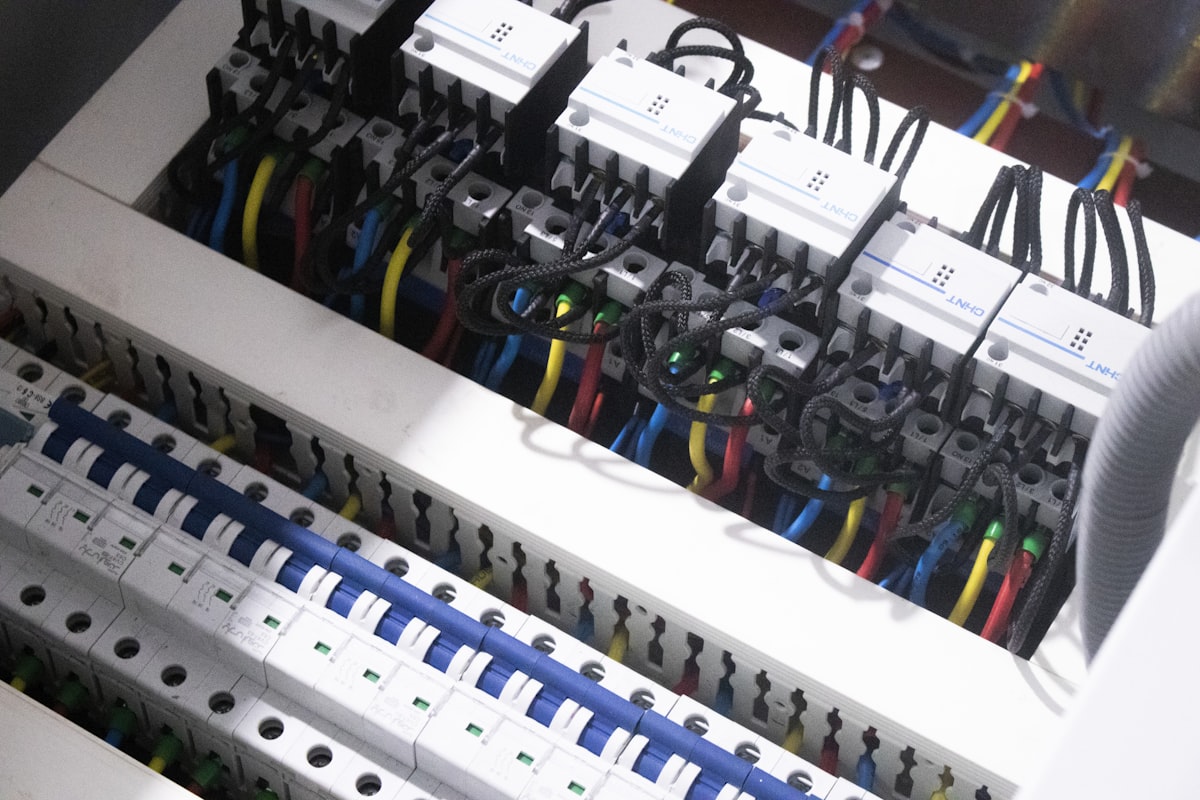
1. Electrical panel survey - Open each MCC door and thermal-scan every breaker, contactor, and bus connection under load. Flag any component running >20°C above ambient or >10°C above its neighbors. These are the loose connections and overloaded breakers that will eventually arc.
2. Motor and bearing survey - Scan each motor body, drive-end bearing housing, and non-drive-end bearing housing. A bearing that runs 15°C hotter than its sibling motor on the same load is failing and should be scheduled for replacement at the next planned outage.
3. Steam and compressed air survey - Scan steam traps, headers, and compressed air distribution. Failed steam traps and air leaks are invisible to the eye but obvious on a thermal image.
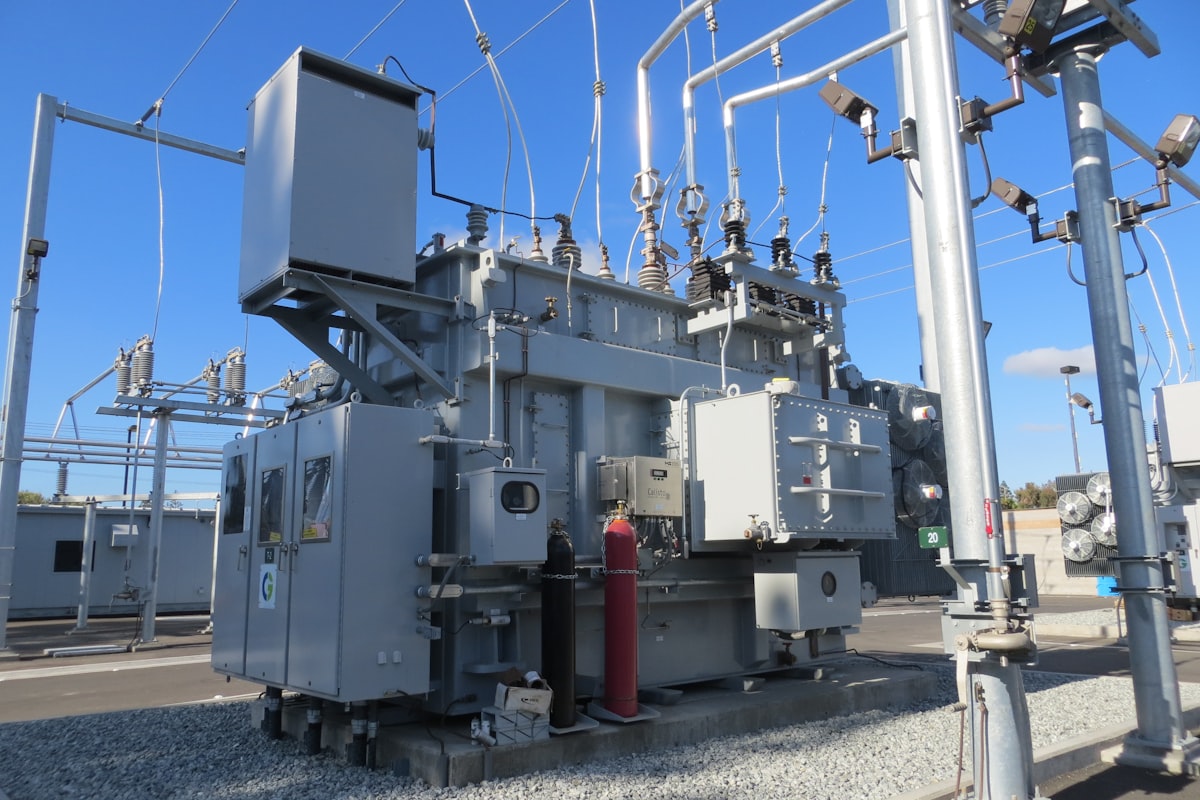
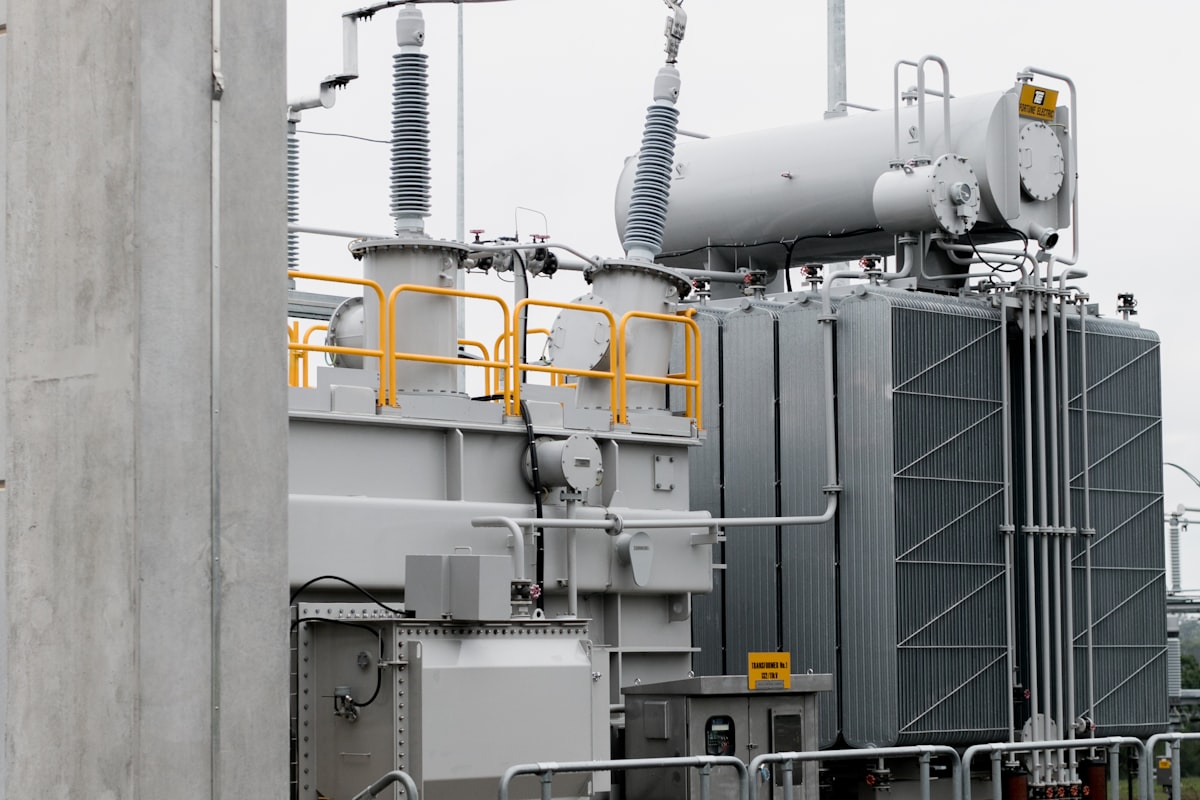
4. Transformer survey - Scan distribution transformer bushings, tap changers, and radiators. Hot bushings indicate loose connections; uneven radiator temperatures indicate oil flow problems.
The full survey takes one technician 4–6 hours on a typical 5 MW plant and produces a report that maintenance planners can act on at the next planned outage.
Common pitfalls in thermography surveys (per ISO 18434-1)
ISO 18434-1:2008 prescribes procedures for compensating for reflected apparent temperature, emissivity, and attenuating media in machinery thermography [1]. Survey reports that skip these steps fail in characteristic ways:
- Emissivity misuse on shiny conductors. Polished copper busbars, aluminium lugs, and bare conductors have low emissivity - meaning the camera reads them as cooler than they are, or shows reflected hot spots from the operator's body or the environment [3].
- Reflection mistaken for faults. A bright thermal spot on a metal panel is frequently the reflection of an external heat source - the surveyor, a hot lamp, sunlight on outdoor switchgear. Adjusting emissivity does not correct this; reflectivity is managed by physical angle or surface treatment, not by camera settings [4].
- Inspecting at insufficient load. Loose connections and overloaded breakers only generate heat under current; surveys at off-shift load levels miss the very faults they are designed to find [2].
- Reporting absolute temperatures, not differentials. A breaker at 55 °C is meaningless without its sibling's temperature for comparison; ISO 18434-1's assessment criterion is built on temperature delta against ambient, neighbouring components, or historical baseline [1].
Pakistani surveys should factor seasonal ambient effects: the same connection running 30 °C above ambient in February will register at a 50 °C absolute reading in June without any change in fault condition.
Sourcing and support in Pakistan
Pacific Engineering & Automation is the authorized Shenzhen Flus Technology Co., Ltd. reseller in Pakistan. We supply the full Flus test and measurement range - thermal imagers, infrared thermometers, multimeters, sound and light meters, anemometers - with local technical support from our Karachi office.
For specifications, availability, or to discuss a predictive maintenance setup for your facility, request a quotation or contact us directly.
Field-derived case studies will be added to this post as Pacific Engineering & Automation accumulates engagement records. The current version is grounded in published specifications, regulatory documentation, and standards body references.
Sources
- ISO 18434-1:2008 - Condition monitoring and diagnostics of machines, Thermography, Part 1: General procedures
- Intersafe - 6 Common Mistakes Made During an Electrical Thermography Survey
- IRISS - Emissivity in Thermal Imaging for Accurate Inspections
- FastTrax Systems - The Hidden Enemy of Electrical Thermography: Understanding Reflectivity
Pacific Engineering & Automation
Need industrial equipment in Pakistan?
Authorized dealer and reseller for 16 international manufacturers. Karachi-based, serving Pakistan since 1995.