DILO SF6 Gas Handling in Pakistani Substations
How Pakistani grid operators use DILO SF6 equipment for gas recovery, filling, and testing to meet emission standards and protect switchgear.
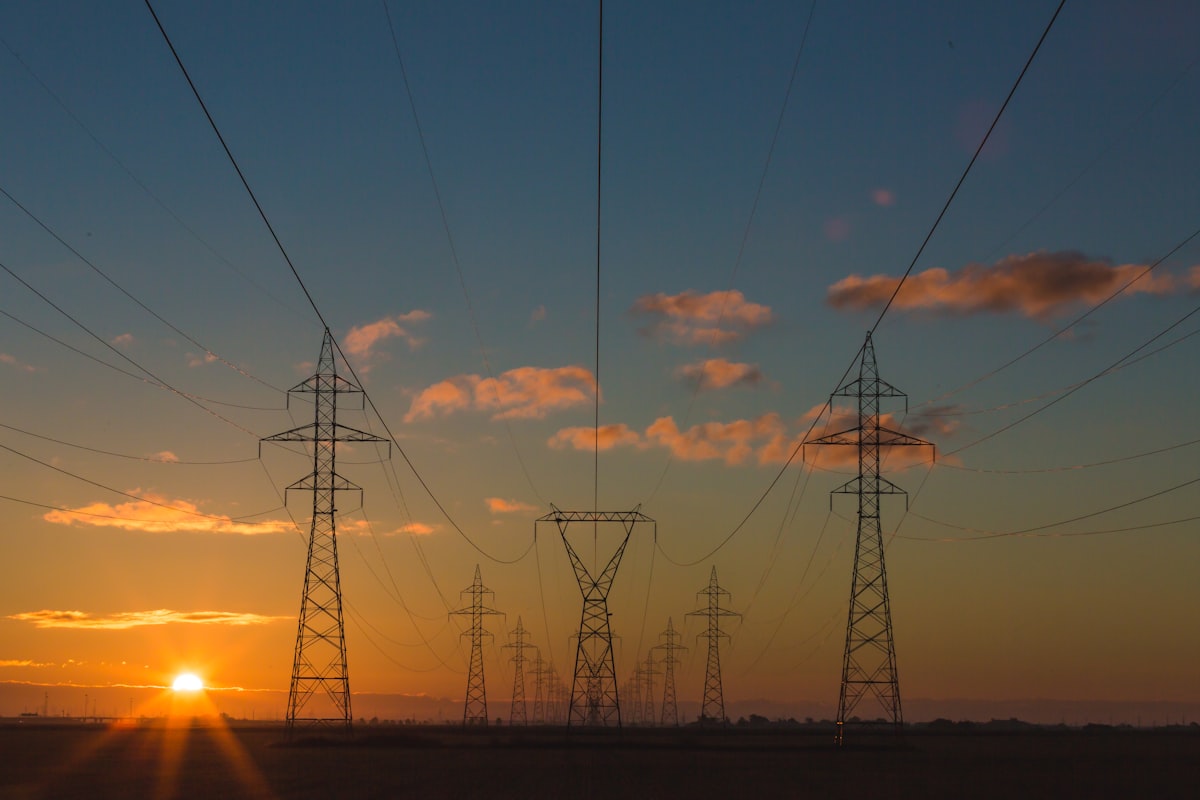
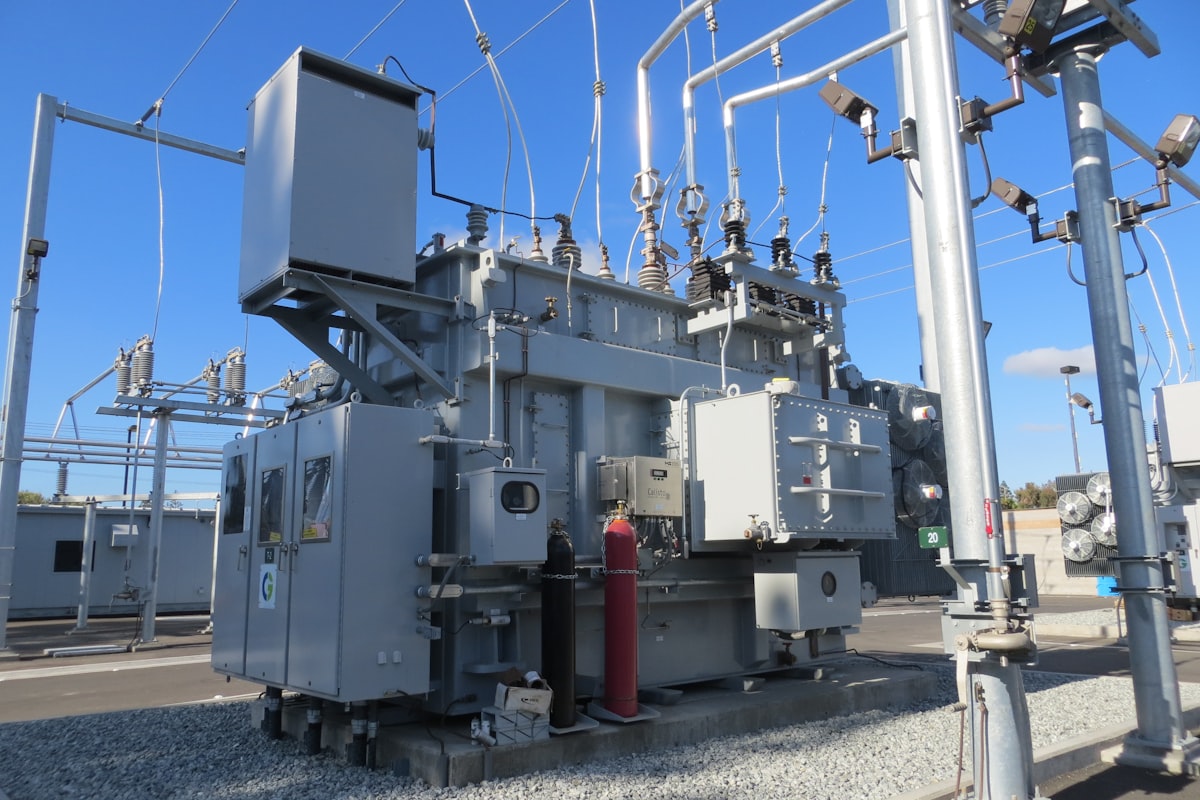
Pakistani utilities operate hundreds of SF6-insulated switchgear units across the national grid. Proper SF6 handling isn't optional - leaked SF6 has a 100-year global warming potential of 23,500× that of CO₂ (per IPCC AR5 / EPA Sulfur Hexafluoride Basics) [10], and contaminated gas destroys expensive switchgear from the inside out.
This guide covers what DILO equipment Pakistani maintenance teams actually use, and how Pacific Engineering & Automation supports the installed base as the authorized DILO dealer in Pakistan.
Why SF6 handling matters
SF6 is the dominant insulating medium in medium- and high-voltage switchgear because it quenches arcs reliably at compact sizes. The tradeoff: it must be handled in a closed loop. Open-air venting is environmentally prohibited under IEC 62271 [3] and increasingly enforced by NEPRA's grid code requirements [11].
A single poorly serviced GIS bay can leak 10–20 kg of SF6 annually - equivalent to 235–470 tonnes of CO₂.
What IEC 60376 and IEC 60480 actually require
Two IEC standards form the technical backbone of SF6 acceptance in switchgear. IEC 60376:2018 (third edition) defines the quality of technical-grade SF6 placed into new electrical equipment, and now also covers the complementary gases - nitrogen (N₂) and carbon tetrafluoride (CF₄) - used in SF6 mixtures [1]. DILO's own published material indicates that gas leaving its filling facilities meets purity >99% SF6 and moisture <99.5 ppmV (a dew point of −41.5 °C), which the company states exceeds the IEC 60480 reference values for re-used gas [7].
IEC 60480:2019 (third edition) governs gas that has been recovered and re-used [2]. The standard sets the water-vapour partial pressure limit at 150 Pa at 850 kPa for the full SF6 re-use pressure range; for medium-voltage equipment only, the limit applies up to 200 kPa. Gas from arc-stressed compartments routinely exceeds the moisture and SO₂ limits and must be reclaimed offline before refilling.
A specification that simply names IEC 60480 without binding the supplier to a measured moisture and decomposition-product check is not enforceable - the standard's value is in the test result, not the line item on the BOQ.
Core DILO equipment in use locally
Typical substation maintenance programmes combine three product families:
Gas recovery and refilling
- B143R11 service cart for full gas recovery, evacuation, and controlled refilling in a single unit; rated for final vacuum below 5 mbar, with liquid SF6 storage, semi-automatic control via a 7" colour touch panel, DN20 couplings, and a maximum on-board gas weight of approximately 40 kg [5]
- 3-001-R002 compact unit for smaller GIS compartments and ring main units; a manually-operated cylinder cart with pressure reducer and DN8/DN20 couplings, primarily for refilling against the IEC 60480 acceptance criteria [6]
Gas quality testing
- IR-analysis instruments for moisture (ppm), SO₂ concentration, and decomposition products - a contaminated gas reading tells you exactly which compartment to prioritise for maintenance
Leak detection
- 3-033-R002 portable SF6 detector, sensitivity down to 1 g/year - required for annual maintenance sign-off on utility GIS installations
How handling rules are tightening
Two recent IEC revisions have moved the SF6 handling baseline.
IEC 62271-4:2022 (second edition) sets minimum handling procedures across the equipment lifecycle - installation, commissioning, normal and abnormal operation, and end-of-life disposal - and for the first time covers handling procedures for SF6 alternatives in dedicated annexes alongside SF6 itself [3]. The IEC publication note states explicitly that these procedures are minimum requirements for personnel safety and emission control, not best-practice guidance.
IEC 62271-203:2022 (third edition) tightens leak-rate requirements for gas-insulated switchgear rated above 52 kV, with the IEC publication note describing the change as a direct response to GWP concerns from SF6 and other high-GWP insulating gases [4].
In Pakistan, NEPRA approved NTDC's Grid Code 2023 - replacing the long-standing 2005 grid code and the 2021 draft - and aligned the country's transmission framework with the post-CTBCM market structure introduced by the 2018 NEPRA Act amendment [11]. Substation environmental and safety provisions referenced under the grid code now operate within this updated framework.
Common maintenance scenarios in Pakistan
NTDC 220 kV GIS bays typically run annual SF6 maintenance cycles. DILO's B143R11 handles full-bay servicing in a single shift, including gas recovery, drying, and refill - keeping outage windows short for transmission-critical equipment.
DISCOs 11 kV ring main units are often serviced with the compact 3-001-R002, which fits in a standard utility van and handles the smaller gas volumes of ring main units efficiently.
Post-fault servicing after an internal arc event requires both recovery of contaminated gas and safe disposal - DILO's closed-loop recovery system prevents any SF6 release during the process.
Where SF6 alternatives stand
For new equipment, alternative insulating gases are increasingly viable. CIGRE Working Group B3.45 published Technical Brochure 802, which catalogues the application of non-SF6 gases and gas mixtures in medium- and high-voltage GIS, covering the available alternatives, the pilot project record, and the application restrictions that remain unresolved [8]. A companion brochure, CIGRE TB 871, addresses current interruption in SF6-free switchgear specifically [9].
For Pakistan's installed base - predominantly NTDC 220 kV GIS bays and DISCO ring main units commissioned over the past two decades - SF6 remains the operational reality. Alternative-gas equipment will appear in new builds; the installed fleet stays SF6, which means recovery, testing, and re-use against the IEC 60480 acceptance criteria remain the working specification for years to come [2].
Sourcing and support in Pakistan
Pacific Engineering & Automation is the authorized DILO dealer in Pakistan. We supply the complete DILO gas handling range with local technical support from our Karachi office.
For specifications, availability, or a site assessment, request a quotation or contact us directly.
Field-derived case studies will be added to this post as Pacific Engineering & Automation accumulates engagement records. The current version is grounded in published specifications, regulatory documentation, and standards body references.
Sources
- IEC 60376:2018 - Specification of technical grade SF6 and complementary gases (3rd ed.)
- IEC 60480:2019 - Specifications for the re-use of SF6 and its mixtures in electrical equipment (3rd ed.)
- IEC 62271-4:2022 - High-voltage switchgear and controlgear, Part 4: Handling procedures for SF6 and its mixtures (2nd ed.)
- IEC 62271-203:2022 - Gas-insulated metal-enclosed switchgear above 52 kV (3rd ed.)
- DILO B143R11 mini service cart - product page
- DILO 3-001-R002 SF6 gas refilling device - product page
- DILO IEC specifications for SF6 gas - manufacturer summary
- CIGRE Technical Brochure 802 (WG B3.45) - Application of non-SF6 gases or gas-mixtures in MV and HV gas-insulated switchgear
- CIGRE Technical Brochure 871 - Current interruption in SF6-free switchgear
- US EPA - Sulfur Hexafluoride (SF6) Basics
- The Nation, 23 March 2023 - NEPRA grants system operator licence to NTDC, approves Grid Code 2023
Pacific Engineering & Automation
Need industrial equipment in Pakistan?
Authorized dealer and reseller for 16 international manufacturers. Karachi-based, serving Pakistan since 1995.