A.Eberle Power Quality Analyzers for Pakistani Industry
How to specify A.Eberle PQ-Box analyzers for EN 50160, IEEE 519, and IEC 61000-4-30 Class A power quality compliance at Pakistani industrial connections - harmonics, THD, acceptance surveys.
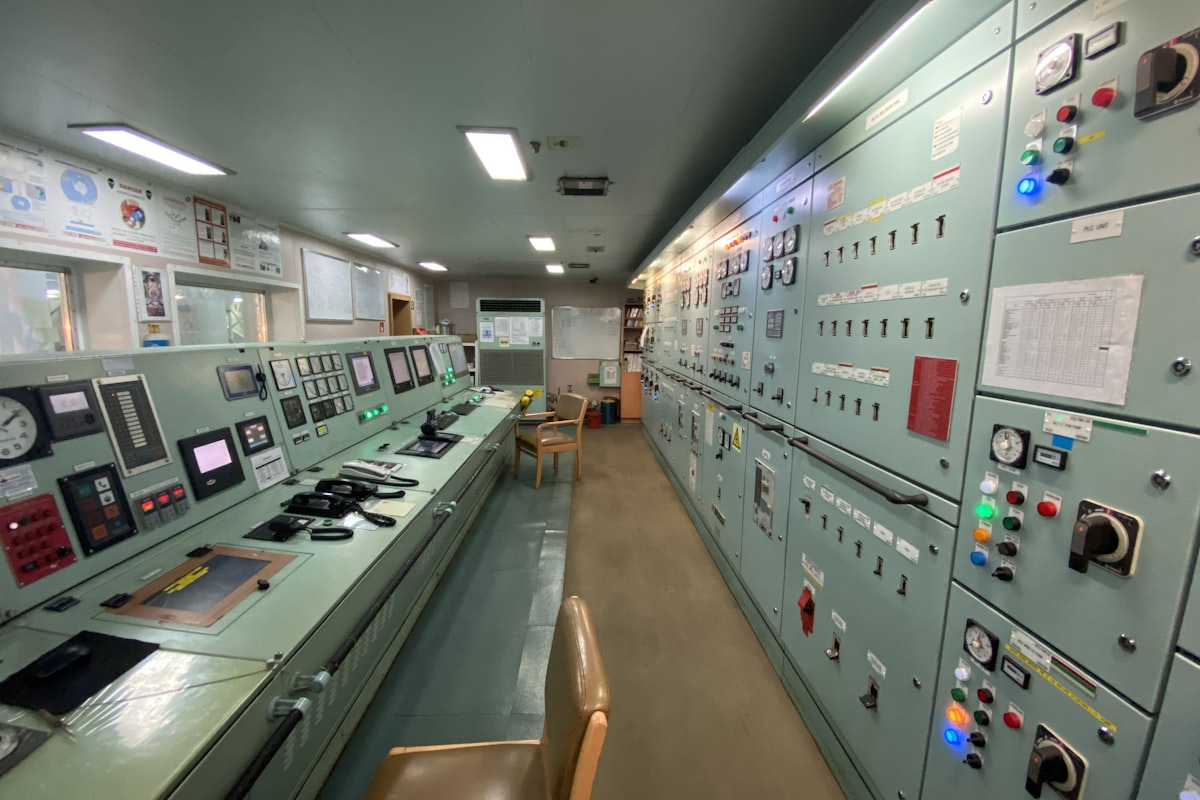
A textile mill in Faisalabad adds 40 variable-frequency drives to its spinning floor and within a month the DISCO sends a notice: the connection is injecting harmonic current beyond the agreement's limit, and the penalty clock has started. The mill's engineer needs to prove what the harmonic distortion actually is, at the point of common coupling, against a defined standard - and that proof only exists if someone measured it with an instrument whose method is itself standardised.
That instrument is a power quality analyzer. A.Eberle (Germany) manufactures the PQ-Box portable analyzer family and the PQI-DA fixed-installed monitors used to measure, log, and report power quality against EN 50160, the IEC 61000 series, and IEEE 519 [1]. This guide covers how to specify A.Eberle analyzers for power quality compliance at Pakistani industrial connections, and which standards the report has to satisfy.
Why power quality matters at a Pakistani industrial connection
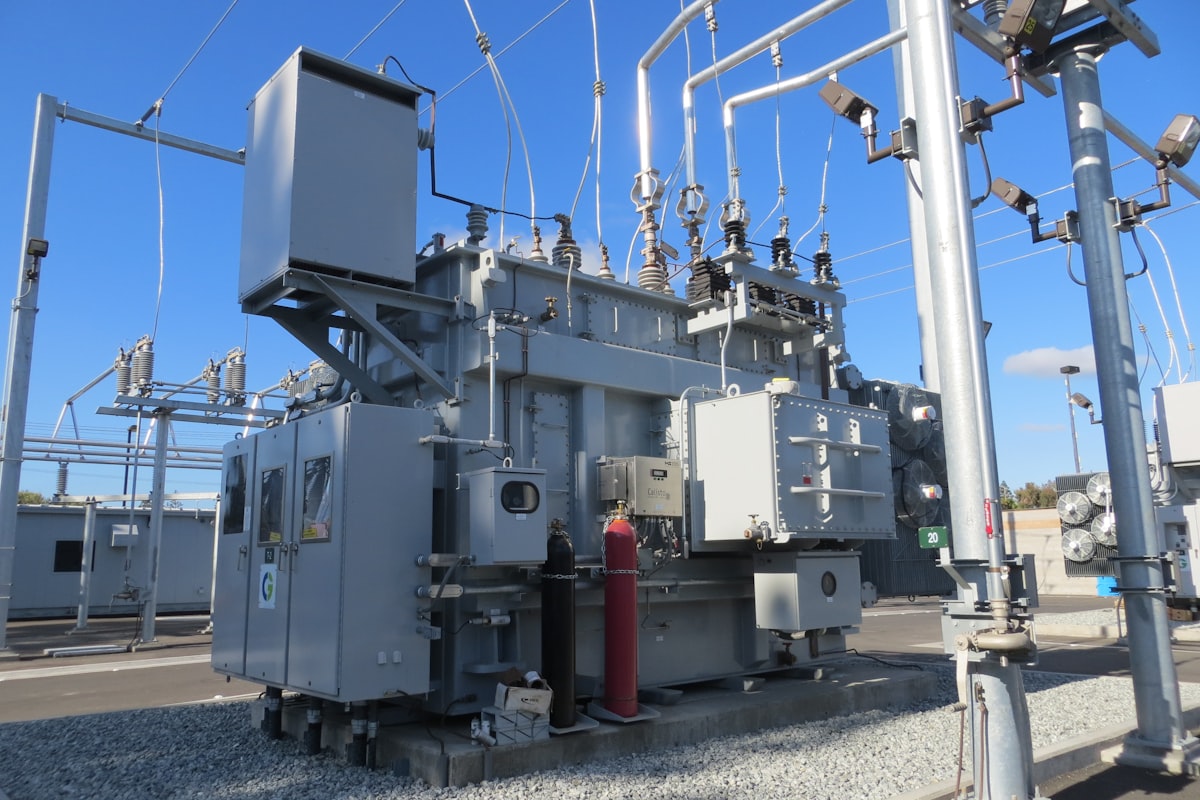
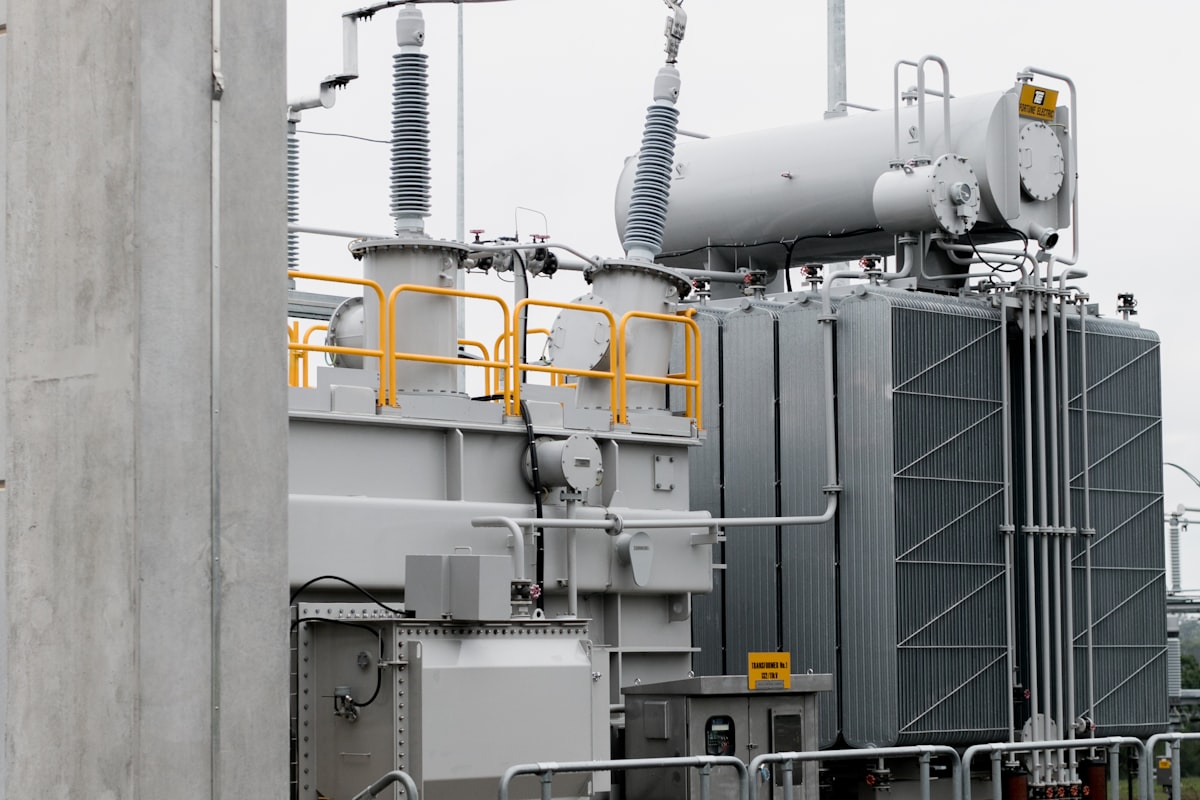
Modern industrial loads are non-linear: VFDs, rectifiers, induction-furnace converters, UPS systems, and LED lighting draw current in pulses rather than smooth sine waves, injecting harmonic current back onto the supply network [5]. The consequences land on both sides of the meter:
- Transformers and cables overheat from harmonic current, derating capacity and shortening insulation life.
- Capacitor banks fail early when harmonic frequencies approach a resonance point with the network inductance.
- The DISCO connection agreement is breached, exposing the consumer to penalties or disconnection.
The only defence in a billing or compliance dispute is a measured record against a named standard. A spreadsheet of multimeter readings does not survive a utility audit; a standards-compliant power quality report does.
What EN 50160 and IEEE 519 actually limit
Two standards dominate Pakistani power quality specifications, and they limit different things:
- EN 50160 [4] defines the voltage characteristics a public network must deliver at the supply terminals - frequency, magnitude, voltage harmonics (voltage THD ≤ 8% on the 95th-percentile weekly criterion), flicker, dips, and unbalance. It describes what the consumer is entitled to receive.
- IEEE 519-2022 [5] limits both the voltage distortion the utility delivers and the current total demand distortion (TDD) the consumer injects at the point of common coupling (PCC). It describes what the consumer is allowed to emit.
The distinction is the crux of most Pakistani connection disputes: EN 50160 governs supply voltage quality (the DISCO's responsibility), while IEEE 519's current limits govern what the industrial consumer is permitted to push back onto the network. A compliant survey reports against both.
IEC 61000-2-4:2024 [6] adds the in-plant dimension - compatibility levels for disturbances inside an industrial plant up to 35 kV, which matters when sensitive equipment shares a busbar with a harmonic-heavy load.
IEC 61000-4-30 Class A: why the measurement method matters
A power quality number is only defensible if the way it was measured is standardised. IEC 61000-4-30:2025 [2] defines two measurement classes:
- Class A - the advanced class, with the tightest accuracy and aggregation requirements. Two Class A instruments measuring the same signal must produce results within defined limits of each other. This is the class required for contractual, regulatory, and dispute-resolution measurements.
- Class S - the survey class, for statistical surveys and troubleshooting where the strictest accuracy is not required.
For a connection-acceptance test or a billing-dispute survey, specify a Class A measurement. Harmonics specifically are measured per IEC 61000-4-7 [3], which defines the instrumentation and the grouping methods up to 9 kHz. When the report cites "IEC 61000-4-30 Class A" and "IEC 61000-4-7", the numbers are comparable across instruments and defensible in front of an auditor.
Selecting the right A.Eberle analyzer
A.Eberle splits its power quality range into portable and fixed-installed instruments [1]:
- PQ-Box family (portable) - the PQ-Box 50, 150, 200, and 300 are mobile analyzers for surveys, troubleshooting, and connection-acceptance tests. Pacific stocks the PQ-Box 300, the top mobile network analyzer, which measures harmonics, interharmonics, flicker, dips/swells, unbalance, and frequency, and auto-generates EN 50160 / IEC 61000-2-x / IEEE 519 evaluation reports [1]. Use a portable when the measurement is a one-off: acceptance, complaint investigation, or pre-mitigation baseline.
- PQI-DA Smart / PQI-DE (fixed) - permanently installed monitors for continuous logging at a PCC or a critical busbar. Use a fixed monitor where the requirement is ongoing evidence - for example, a connection agreement that requires continuous demonstration of compliance.
The decision rule: portable for diagnosis and acceptance, fixed for continuous compliance. A mill running a one-time IEEE 519 acceptance test needs a PQ-Box; a steel plant under an ongoing harmonic-limit agreement needs a fixed PQI-DA.
For voltage regulation rather than measurement, A.Eberle's REG-DA regulator and REGSys system control transformer tap changers - a related but distinct product line from the PQ analyzers.
Common power quality measurement pitfalls
- Reporting THD without the standard and the percentile. "THD was 6%" is meaningless without the reference - EN 50160 evaluates voltage THD on a 95th-percentile weekly basis [4], not as an instantaneous peak. Report the standard, the aggregation window, and the percentile.
- Using a Class S instrument for a contractual test. Class S results are valid for surveys but can be challenged in a dispute. For connection-acceptance or billing disputes, specify IEC 61000-4-30 Class A [2].
- Confusing voltage THD with current TDD. EN 50160 limits voltage distortion; IEEE 519 current limits are expressed as TDD against maximum demand, not as instantaneous THD [5]. Mixing them produces a report the auditor rejects.
- Measuring at the wrong point. IEEE 519 limits apply at the point of common coupling, not at an individual drive's terminals. Measure at the PCC the connection agreement names.
- Attributing limits to "NEPRA" without the clause. Pakistani connection agreements commonly invoke IEEE 519 or EN 50160; the binding numbers belong to the specific agreement or grid-code revision [7], not a generic standard. Cite the actual document.
Sourcing and support in Pakistan
Pacific Engineering & Automation is the authorized A.Eberle reseller in Pakistan. We supply the A.Eberle power quality range - PQ-Box portable analyzers, PQI-DA fixed monitors, REG-DA voltage regulators, EOR-D earth-fault relays, and EFD fault indicators - with technical support on EN 50160 / IEEE 519 / IEC 61000-4-30 survey setup and report interpretation from our Karachi office. For the upstream protection and metering that a power quality programme sits alongside, see the Ziegler revenue-metering accuracy guide and the SEG protection-relay guide for Pakistani distribution transformers.
For a power quality survey scope or product quotation, request a catalogue or contact our engineering team.
Field-derived case studies will be added to this post as Pacific Engineering & Automation accumulates engagement records. The current version is grounded in published specifications, regulatory documentation, and standards body references.
Sources
- A.Eberle - Power Quality - PQ-Box family and PQI fixed-installed product portal
- IEC 61000-4-30:2025 - Power quality measurement methods (3rd ed.)
- IEC 61000-4-7:2002 - Harmonics and interharmonics measurements and instrumentation
- EN 50160:2022 - Voltage characteristics of electricity supplied by public distribution networks
- IEEE 519-2022 - IEEE Standard for Harmonic Control in Electric Power Systems
- IEC 61000-2-4:2024 - Compatibility levels in industrial plants for low-frequency conducted disturbances
- NEPRA Distribution Code 2005 - Pakistan regulatory framework (PDF)
Pacific Engineering & Automation
Need industrial equipment in Pakistan?
Authorized dealer and reseller for 16 international manufacturers. Karachi-based, serving Pakistan since 1995.